



Top 10 Office Design Trends for 2026

As we move toward 2026, commercial office design is undergoing a significant transformation. These changes reflect evolving work habits, technological advancements, and a greater emphasis on employee well-being. Office furniture now plays a central role in how companies support productivity, creativity, and comfort on a daily basis. The following 10 office design trends reveal how workplaces are becoming smarter, more human-centered, and more adaptable.
1. Human-Centric Design
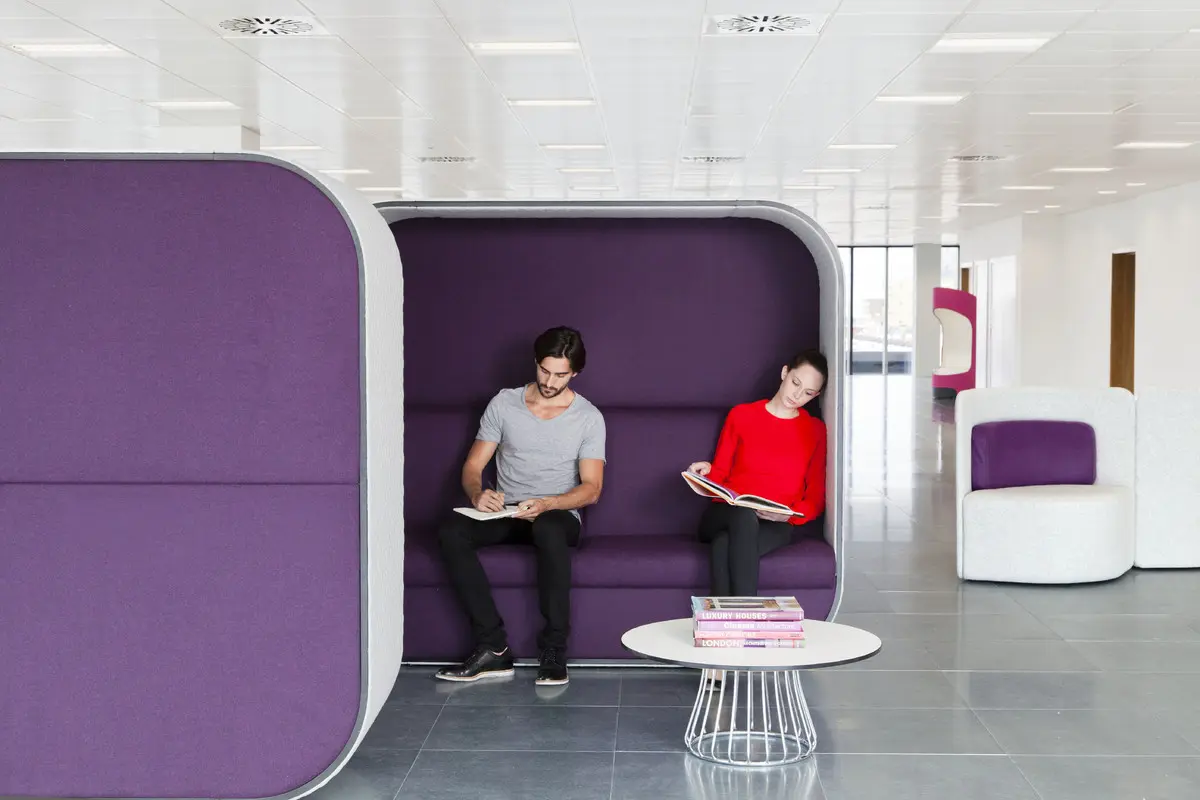
Human-centric design remains one of the strongest trends shaping office furniture in 2026. Today’s workspaces prioritize comfort, movement, and overall wellness rather than simply focusing on appearance. Furniture is increasingly engineered with advanced ergonomics in mind, offering adaptive support, responsive recline features, and carefully sculpted components meant to reduce physical strain. Beyond the furniture itself, this design philosophy extends to how spaces are arranged, incorporating optimized lighting, airflow, and acoustics to create environments that reduce fatigue and support mental clarity. The result is a workspace designed to support people, not the other way around.
2. Modular Flexibility and Agile Workspaces
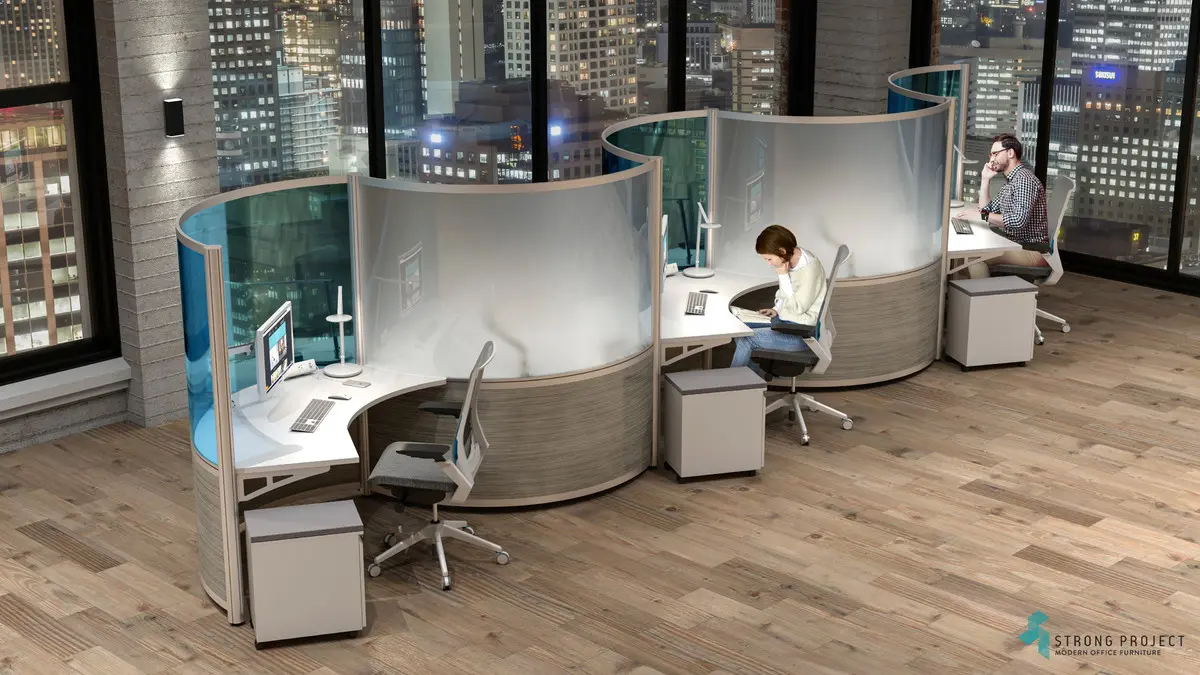
Hybrid work continues to influence office layout decisions, making flexibility one of the most essential design priorities for 2026. Instead of relying on rigid or permanent installations, companies are opting for furniture systems that can easily shift from one purpose to another. Workstations can be rearranged quickly, partitions can be relocated to create new zones, and furniture can serve multiple functions depending on the needs of the day. This approach allows offices to transition effortlessly between focused individual work, small group collaboration, and large team gatherings. The modern workspace is no longer static; it’s a dynamic environment that adapts to changing workflows and employee schedules.
3. Sustainability Isn’t Optional, It’s Expected
Sustainability has become a core requirement in office furniture design rather than a trend or optional upgrade. More companies are prioritizing furniture produced with environmentally responsible materials, such as recycled metals, reclaimed woods, and low-emission finishes. There is also growing attention on how furniture fits into the long-term lifecycle of a space. Manufacturers are designing pieces that can be repaired, refurbished, or returned to a circular system rather than discarded. This shift aligns with corporate commitments and green building standards, helping businesses reduce their environmental impact while still achieving a sophisticated and modern aesthetic.
4. Tech-Integrated Furniture Transitions from Novelty to Norm
Technology has fully embedded itself into office furniture, creating smarter and more connected workplaces. Desks are now designed with wireless charging surfaces, integrated power systems, and built-in cable management to eliminate clutter. Smart sensors help users maintain healthier posture or track workspace usage for facility planning. Height-adjustable desks move more smoothly and intuitively, often remembering personalized settings. These innovations are no longer considered premium perks, they are becoming standard features that support a seamless workflow in hybrid and digital-first environments.
5. Biophilic and Regenerative Design Enhances Well-Being
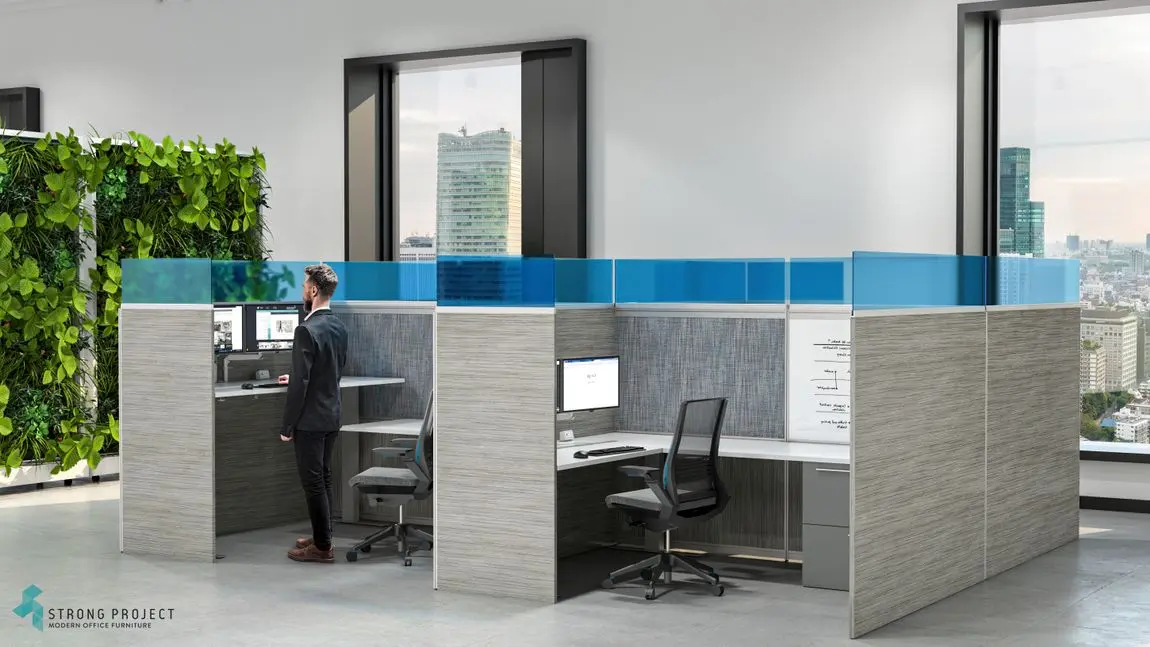
Biophilic design continues to evolve, moving beyond simple plant integration toward more regenerative, nature-inspired environments. Office furniture increasingly features organic materials, earthy tones, and tactile finishes that bring a sense of calm into the workspace. These choices pair well with broader design elements such as living walls, natural lighting strategies, and improved acoustics to create spaces that feel grounded and restorative. The aim is not just to imitate nature but to support the emotional and psychological benefits that natural elements provide. This trend underscores the growing recognition that employee well-being is directly connected to the design of the workplace.
6. Warm Minimalism and Sensory Richness
Minimalism remains popular in modern office design, but in 2026 it is being reinterpreted through a warmer, softer lens. Rather than cold, sterile environments, warm minimalism emphasizes clean lines blended with inviting textures, curved silhouettes, and gently layered materials. Furniture features subtle tactile qualities, such as wool, felt, or textured laminates, which add visual interest without overwhelming the space. This aesthetic helps create a professional yet comfortable environment where employees can focus without feeling disconnected or confined.
7. Bold Aesthetics & Brand-Driven Identity
Companies are increasingly using office design as a way to express their culture, values, and brand personality. This trend is influencing furniture choices as organizations move toward richer color palettes, striking design statements, and custom finishes that reflect their identity. Some spaces adopt earthy, grounded tones to create a sense of stability, while others introduce vibrant accent colors to energize collaborative zones. The overall goal is to create memorable environments that reinforce branding and help employees feel connected to the company’s mission.
8. Acoustics and Privacy Through Design
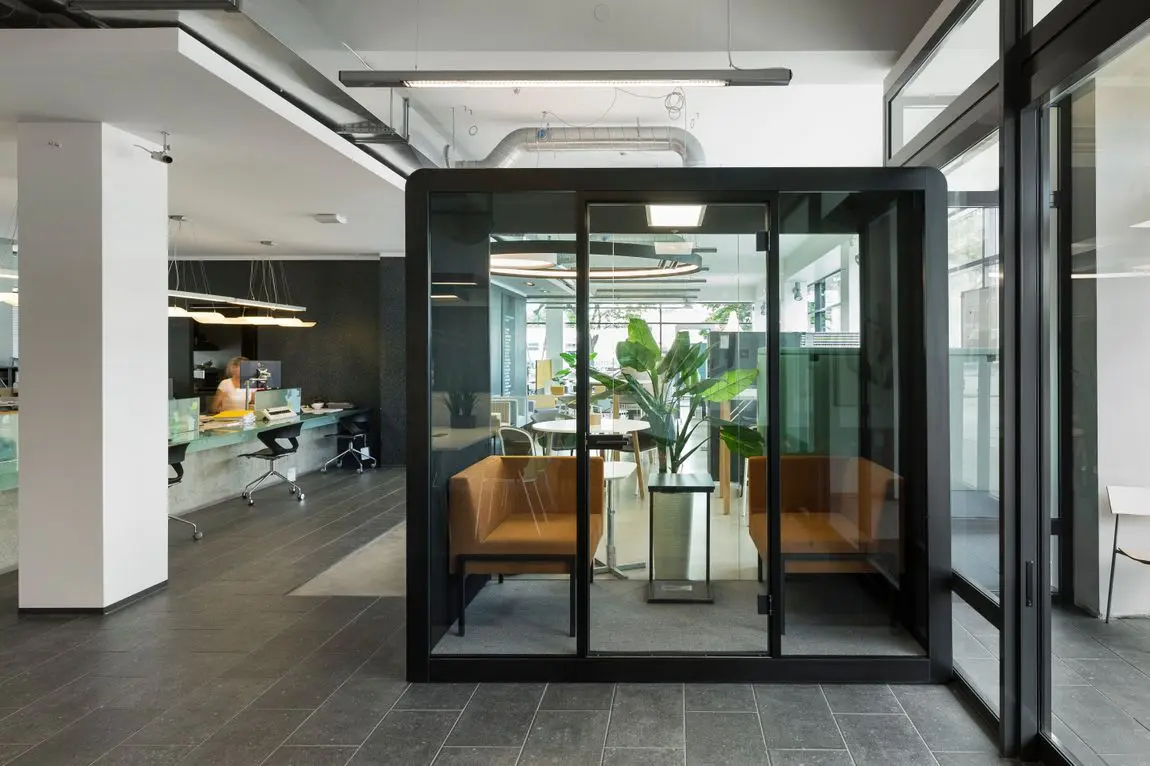
As open-plan offices remain common, the need for better acoustics and privacy has become more urgent. Instead of reverting to fully enclosed cubicles, companies are turning to furniture solutions that naturally reduce noise and improve concentration. Acoustic pods, lounge seating with sound-absorbing materials, and thoughtfully designed dividers help create quieter zones without disrupting the flow of an open space. These elements are crafted to blend into the overall aesthetic, allowing the office to feel spacious while still providing the privacy needed for focused work or confidential conversations.
9. Personalized and Adaptive Spaces
Personalization is becoming a defining feature of workplace design. Employees expect environments that adapt to their preferences rather than forcing everyone to work in the same way. This trend is shaping furniture that offers adjustable lighting, customizable ergonomic settings, and even memory features that store individual user profiles. Storage solutions and personal zones are also becoming more intuitive and touchless, offering added convenience and hygiene. The ability to tailor workstations to personal needs fosters a stronger sense of ownership, comfort, and productivity.
10. Longevity and Lifecycle Value
Durability and lifecycle value are central considerations in commercial furniture selection for 2026. Companies are investing in pieces built to last, products that maintain structural integrity, visual appeal, and functional relevance over many years. This approach focuses on long-term return on investment, emphasizing furniture that can be repaired or upgraded as needs evolve. Instead of replacing entire systems, businesses can refresh components or integrate new technology, making the workspace more sustainable and financially efficient. Longevity has become a hallmark of high-quality office furniture.
Looking Toward Office Design Trends for 2026
The commercial office furniture trends shaping 2026 reflect a clear shift toward smarter, healthier, and more adaptable workplaces. Whether through human-centric design, sustainable materials, embedded technology, or flexible spatial planning, the future office is being built to support people first. Companies that embrace these trends will create spaces that inspire, evolve, and endure, meeting the needs of a workforce that values comfort, choice, and meaningful connection.
Interested in learning more about office design trends and how? Check out these related posts:


.png&w=750&q=75)
