



How Furniture Layout Influences Workplace Culture

Walk into any workplace, and you can feel the culture almost immediately.
Some offices feel energized and collaborative. Others feel quiet, siloed, or tense. While leadership, policies, and people all play a role in shaping culture, one powerful influence is often overlooked: furniture layout.
Furniture is not neutral. The way desks, tables, seating, and shared spaces are arranged sends clear signals about how work gets done, how people are expected to interact, and what behaviors are valued. Over time, those signals shape habits, and habits shape culture.
At StrongProject, we believe furniture is more than a functional necessity. It’s a strategic tool for creating work environments that support well-being, trust, flexibility, and performance. Here’s how furniture layout directly influences workplace culture, and how organizations can design with intention.
Furniture as a Silent Communicator
Before an employee attends their first meeting or reads a company handbook, they receive messages from the physical space.
Are desks arranged in rigid rows or flexible clusters?
Are leaders physically separated or integrated with teams?
Are there places to gather, recharge, or collaborate, or only places to sit alone?
Furniture layout answers these questions without a single word. It communicates expectations about hierarchy, autonomy, collaboration, and accessibility. When layout and culture are misaligned, employees feel it—even if they can’t name it.
For example, an organization that values collaboration but maintains high-walled cubicles may unintentionally discourage spontaneous conversation. Likewise, a company that promotes focus and deep work but relies solely on open benching can create constant distraction and frustration.
Intentional furniture layout bridges the gap between stated values and lived experience.
Collaboration: Designed or Discouraged
Collaboration doesn’t happen just because leaders ask for it. It happens when the environment makes it easy.
Furniture layout plays a critical role in whether collaboration feels natural or forced.
Layouts that support collaboration:
Shared tables that invite quick check-ins
Mobile furniture that allows teams to reconfigure spaces on demand
Soft seating areas for informal conversations
Central gathering zones that pull people together
Layouts that discourage collaboration:
Fixed desks that isolate employees
Narrow walkways that limit interaction
Meeting rooms that are difficult to access or reserve
When collaborative furniture is thoughtfully placed, it signals that teamwork is valued and expected. Over time, employees become more comfortable sharing ideas, asking questions, and solving problems together.
Focus and Psychological Safety
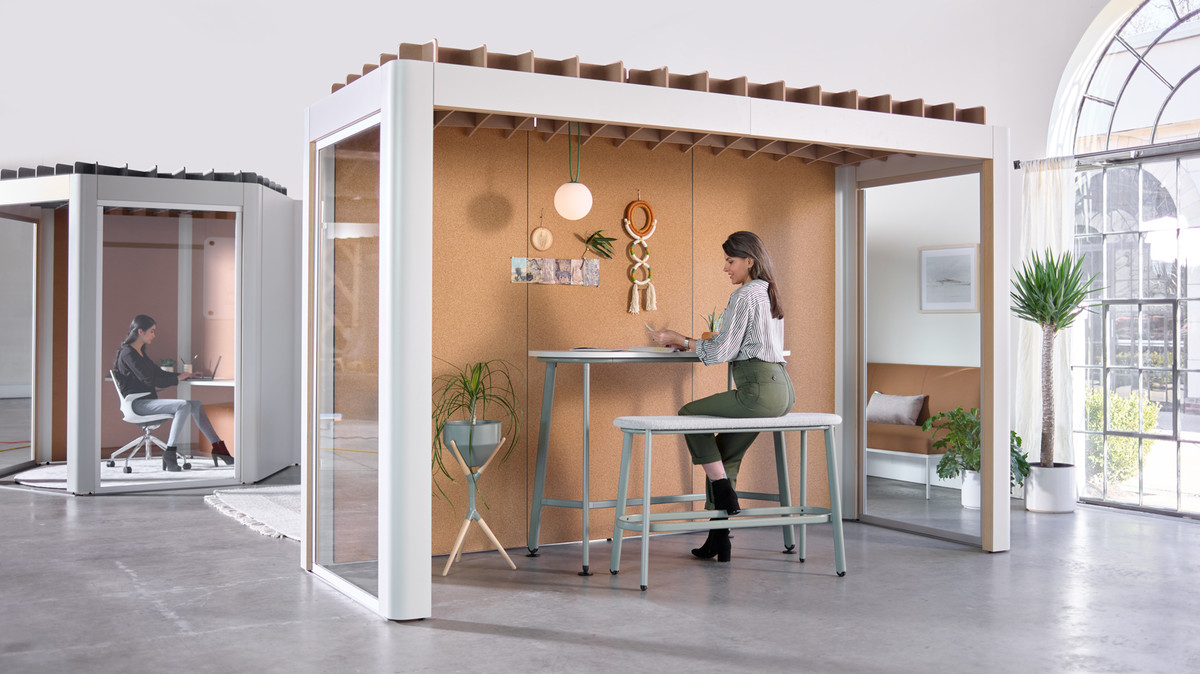
While collaboration is essential, constant interaction isn’t sustainable. A healthy workplace culture balances connection with focus.
Furniture layout influences whether employees feel psychologically safe to concentrate without interruption. Without designated focus areas, employees may feel pressured to be “always available,” which can lead to burnout and resentment.
Supportive layouts include:
Quiet zones with individual workstations
Acoustic solutions integrated into furniture design
Clear visual cues that signal when someone is focusing
By designing spaces that protect focus, organizations show respect for employees’ time and mental energy. This builds trust, and trust is the foundation of a strong culture.
Flexibility as a Workplace Cultural Value
Today’s workplaces are constantly changing. Teams grow, shrink, and shift. Work styles evolve. Hybrid schedules fluctuate.
Furniture layout can either resist this reality or embrace it.
Rigid layouts communicate control and permanence. Flexible layouts communicate adaptability and trust.
Furniture that supports flexibility includes:
Modular desks and tables
Furniture on casters
Multi-use spaces that serve different functions throughout the day
When employees see that their workspace can change to meet their needs, they feel empowered rather than constrained. That sense of autonomy strengthens engagement and reinforces a culture that values people over processes.
Hierarchy, Access, and Inclusion
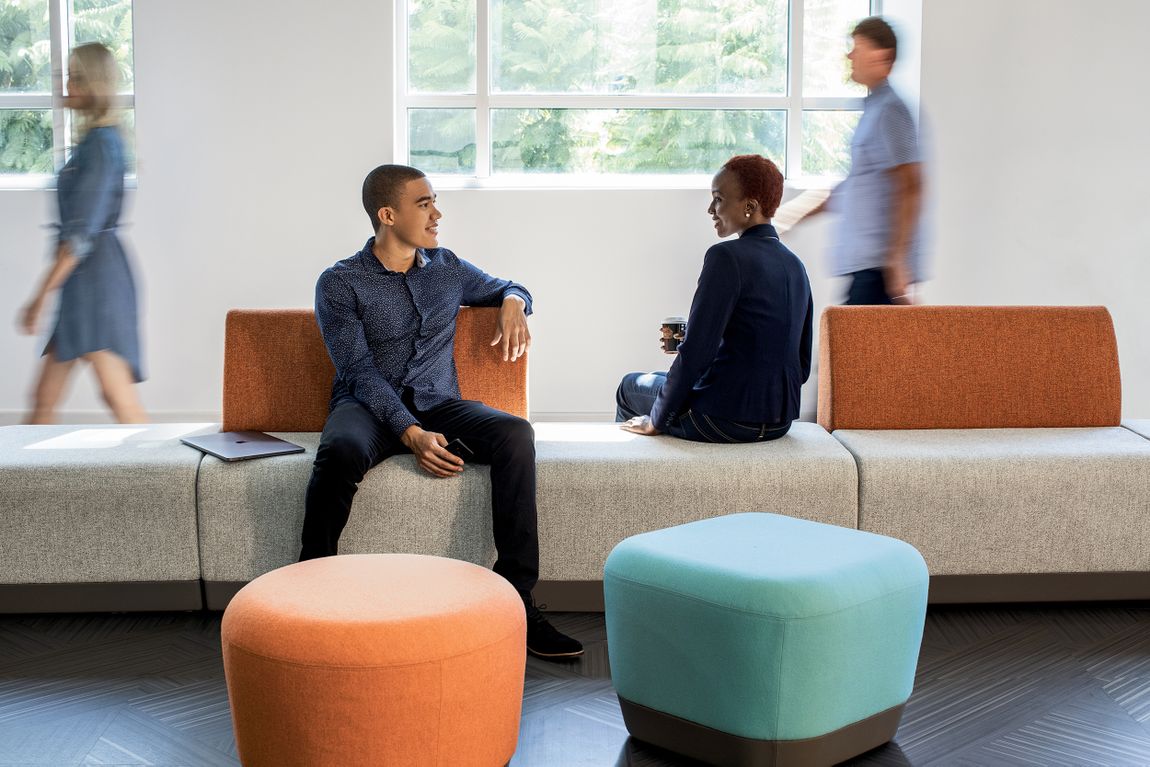
Furniture layout also shapes perceptions of power and inclusion.
Traditional layouts often separate leadership from employees, with larger desks, private offices, and physical distance reinforcing hierarchy. While privacy is sometimes necessary, excessive separation can create barriers to communication and trust.
More inclusive layouts:
Place leaders closer to teams
Offer shared spaces accessible to all roles
Use consistent furniture quality across the organization
These choices signal that every employee’s contribution matters. When people feel seen and included, collaboration improves, and cultural divides shrink.
Well-Being and Everyday Experience
Culture isn’t built only in meetings or performance reviews. It’s built in everyday moments: how comfortable employees feel, whether they can move easily, and how supported they feel physically throughout the day.
Furniture layout directly affects:
Posture and physical comfort
Movement and circulation
Opportunities for rest and renewal
Ergonomic furniture arranged with intention reduces fatigue and strain. Lounge areas and touchdown spaces encourage breaks and informal connections. Together, these elements contribute to a culture that prioritizes well-being rather than exhaustion.
Hybrid Work and Space Utilization
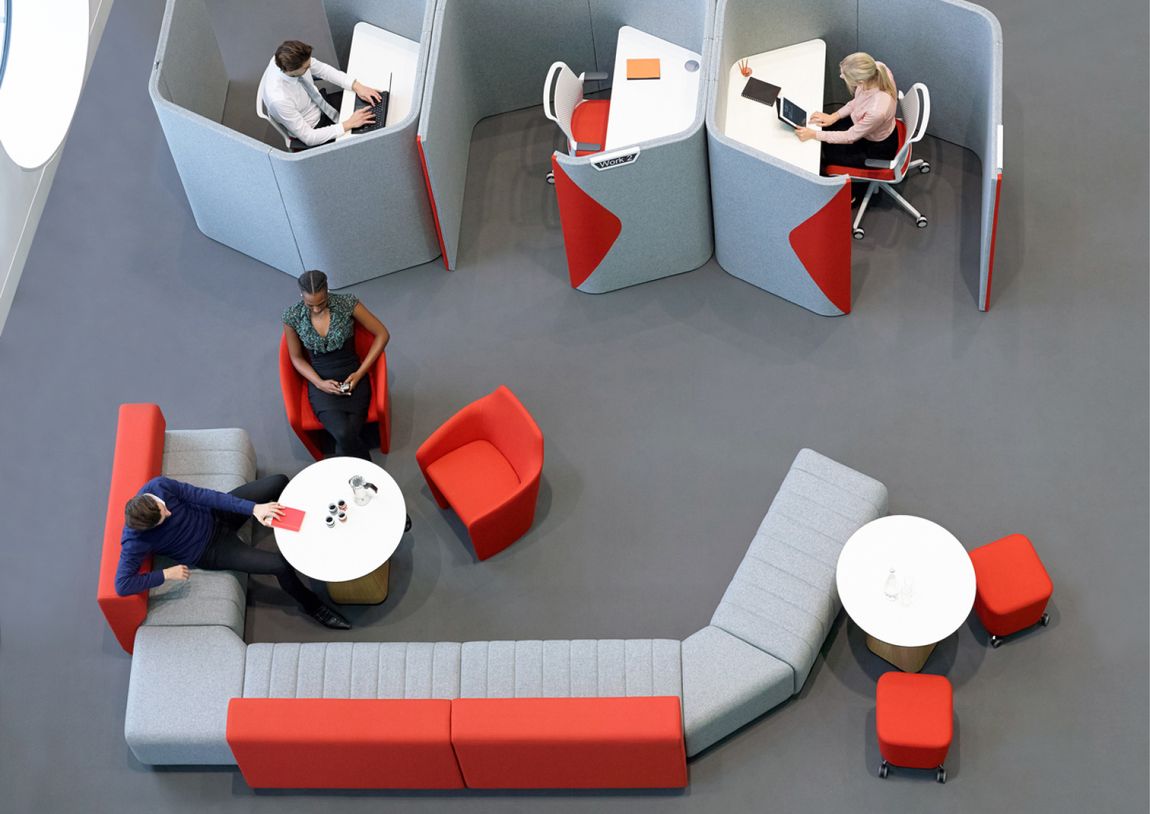
As hybrid work becomes the norm, many offices are experiencing underutilized desks and uneven traffic patterns. Furniture layout plays a key role in addressing this challenge.
Rather than assigning permanent desks that sit empty, organizations can:
Design shared workstations
Create flexible team zones
Prioritize collaboration and connection over individual ownership
This approach shifts culture away from presence-based work toward purpose-based work. Employees come into the office for meaningful interaction, not obligation—and the space supports that intent.
When Furniture and Workplace Culture Are Misaligned
Misalignment between furniture layout and culture often shows up as:
Employees are avoiding certain spaces
Overcrowded collaboration areas and unused desks
Frustration with noise, privacy, or lack of options
These symptoms are signals. They indicate that the environment is working against the culture that the leaders want to create.
Addressing the issue doesn’t always require a full redesign. Small layout adjustments, repositioning furniture, adding mobile elements, or redefining zones can have an outsized impact on behavior and morale.
Designing with Intention
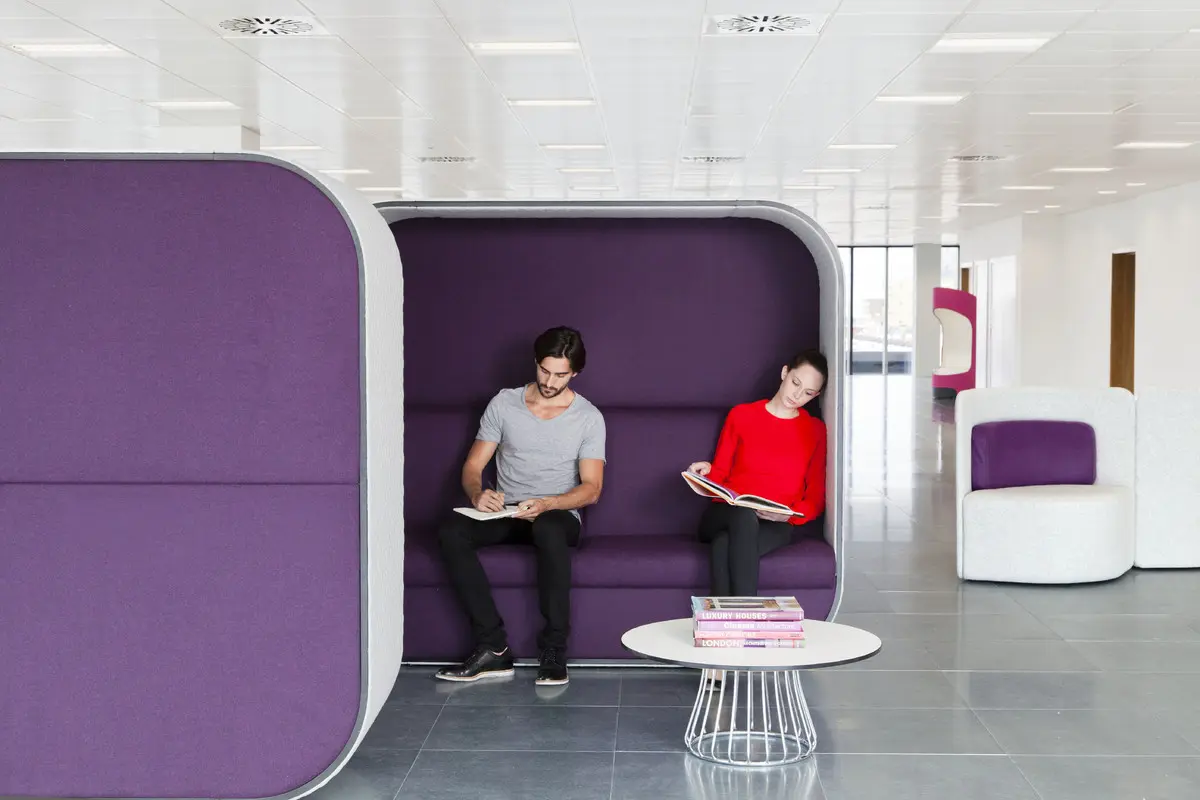
Intentional furniture layout starts with asking the right questions:
How do our teams actually work day to day?
Where do collaboration, focus, and learning happen?
What behaviors do we want to encourage more of?
At StrongProject, we partner with organizations to answer these questions and translate them into physical spaces that support real work. Our furniture solutions are designed to be flexible, durable, and human-centered—because culture isn’t static, and furniture shouldn’t be either.
The Cultural Impact of Small Changes
Culture doesn’t change overnight. But small, consistent signals add up.
A table that invites conversation. A layout that makes it easy to reconfigure. A space that shows employees they are trusted to choose how they work best.
Furniture layout influences these moments every single day. When designed intentionally, it reinforces values, strengthens relationships, and supports the kind of culture people want to be part of.
Share the Vision & the Culture
Workplace culture isn’t just shaped by leadership messages or company policies. It’s shaped by the physical environment employees inhabit every day.
Furniture layout influences how people interact, how they focus, how included they feel, and how supported they are in their work. When organizations treat furniture as a strategic asset rather than an afterthought, culture becomes something that’s experienced—not just talked about.
StrongProject helps organizations design spaces that align furniture layout with culture, creating workplaces that work better for everyone.
Interested in learning more about modern office design? Check out these related posts:

.png&w=750&q=75)
