



Why do Sit-Stand Desks Work?
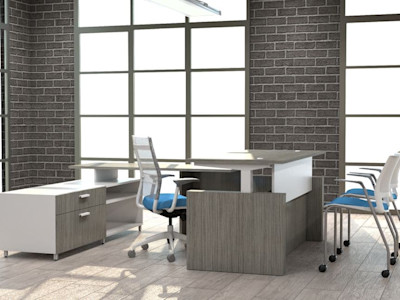
Sitting for hours at a time in the office has become the norm. Many office workers spend eight to ten hours each day at a desk, which has led us to ask, "Why can't we stand while we work?" Well, you can. Recently, there has been an increased interest in sit‑stand desks, also called adjustable height desks or standing workstations. But beyond trends and aesthetics, what does science really say about their health and productivity benefits?
In this post, we share the latest research, long-term findings, and practical recommendations to help you make evidence-based choices for your workspace.
Why Sitting All Day is a Health Concern
Prolonged sitting is linked to several serious health risks, including cardiovascular disease, type 2 diabetes, musculoskeletal pain, and impaired metabolism. Studies show that even those who exercise outside work hours remain at higher risk if they spend most of their day seated.
Beyond the physical impacts, long periods of inactivity can also affect mental health. Sedentary behavior is associated with fatigue, decreased concentration, and lower mood. This has made reducing sedentary behavior a key goal for workplace wellness programs.
Sit‑stand desks have emerged as one of the most accessible interventions for office workers seeking to break up prolonged sitting without disrupting productivity.
How Sit‑Stand Desks Reduce Sedentary Time
Research consistently shows that sit‑stand desks decrease sitting during the workday. A 2025 systematic review in Human Factors found that these desks reduced full-day sedentary behavior by 60–78 minutes and workday sitting by 48–88 minutes. The effect was sustained across 3, 6, and 12 months of use.
Interestingly, the greatest reductions occur when employees receive guidance on usage patterns, such as structured sit‑stand intervals or behavioral prompts to alternate positions. This shows that sit‑stand desks are most effective when combined with intentional usage strategies, rather than being left as a purely optional option.
While sit‑stand desks reduce sedentary behavior, they alone are not enough to drastically improve metabolic or cardiovascular health. Meaningful benefits require pairing them with movement and healthy lifestyle habits, including walking breaks, stretching, and core-strengthening exercises.
Health Benefits Supported by Medical Research

Reduced Sitting and Discomfort
Sit‑stand desks reliably reduce time spent seated and can alleviate lower back, neck, and shoulder discomfort. Standing engages core and postural muscles that are inactive while sitting, which promotes better alignment and reduces muscular fatigue over time.
Structured sit‑stand routines, such as 30 minutes sitting followed by 15 minutes standing, have been linked to noticeable improvements in comfort, alertness, and overall posture. Some studies suggest that even small changes, such as standing for just 1–2 hours per day, can positively affect musculoskeletal health over several months.
Mental Focus and Energy
While less studied than physical outcomes, alternating between sitting and standing can enhance energy, mood, and alertness. Variation in posture increases blood flow, stimulates movement, and helps combat the monotony of long workdays. Employees often report feeling more focused and engaged when incorporating regular standing intervals.
Metabolic Impact
Standing burns slightly more calories than sitting, roughly 8 extra calories per hour. Although this is modest, it contributes to reduced sedentary time and encourages incremental movement throughout the day. Coupled with short walking breaks, stretch sessions, or light activity, standing workstations can become part of a broader strategy to combat sedentary lifestyle effects.
Important Considerations from Recent Research

While sit‑stand desks have clear benefits, recent studies highlight important limitations. A 2024 study involving 83,000 adults found that standing for more than two hours per day did not lower the risk of cardiovascular disease and may increase the risk of circulatory issues such as varicose veins. Another study indicated that prolonged standing could raise diastolic blood pressure, particularly among older adults.
These findings emphasize that standing alone is not a substitute for movement. For maximum benefit, desk users should alternate sitting, standing, and light activity, and incorporate walking or stretching throughout the day.
Optimizing Your Sit‑Stand Desk Use

To gain the most from a sit‑stand desk, follow these science-based recommendations:
Alternate sitting and standing regularly. Short, structured cycles such as 30 minutes sitting followed by 15 minutes standing have been shown to reduce discomfort and improve focus.
Incorporate movement. Short walks, stretch breaks, and even walking meetings amplify health benefits beyond standing alone.
Focus on ergonomics. Ensure your monitor, keyboard, and desk height are properly aligned. Anti-fatigue mats and supportive footwear help reduce strain while standing.
Combine with office culture changes. Encourage a workplace culture that values micro-movements, stretch breaks, and active collaboration, so employees are supported in using standing workstations effectively.
By combining these strategies, employees not only reduce sedentary behavior but also improve comfort, energy, and overall engagement.
Sit‑Stand Desks and Productivity
Research also suggests productivity benefits. Employees using sit‑stand desks report reduced fatigue, higher engagement, and no significant loss in typing speed or accuracy. Incorporating alternating postures throughout the workday may reduce cognitive fatigue and improve focus, making the workspace more efficient.
Standing workstations also encourage team collaboration and informal interaction, particularly in open office layouts, because they promote movement and approachability.
Key Takeaways from the Science

Sit‑stand desks provide clear benefits, but it’s important to understand their limitations:
They reduce sedentary time and can improve posture, comfort, and alertness.
They do not replace physical activity or guarantee significant calorie burn.
Their greatest impact occurs when combined with movement, ergonomic practices, and structured usage.
A sit‑stand desk is a tool, not a cure-all. Alternating postures, taking regular walking breaks, practicing proper ergonomics, and fostering a movement-friendly office culture create a healthier, more productive workspace.
Investing in a sit‑stand desk, paired with intentional movement and proper ergonomics, can transform your workday. Scientific evidence supports their use for reducing sitting, alleviating discomfort, boosting energy, and promoting engagement. For long-term health, standing should complement, not replace, an active lifestyle.
Where Should You Start?
Elevate the way you work with a sit‑stand desk that supports your health, focus, and productivity. We offer an extensive range of standing workstations and adjustable height desks designed for every office environment and workflow. Whether you’re outfitting a home office, upgrading a collaborative space, or rethinking a corporate floor plan, our desks make it easy to integrate movement, comfort, and style into your day. Discover the perfect desk for your workspace and take the first step toward a healthier, more dynamic work experience.
Discover the full collection today.
Want to learn more about modern office design? Check out these related posts:


