



Open Office vs. Private Office: Finding the Right Balance
.png&w=1920&q=75)
For years, businesses have been asking the same question when it comes to office design: Is it better to have an open office or a private office? It's a debate that has shaped workplaces across industries, and the answer isn't nearly as simple as it once seemed.
A decade ago, open offices were everywhere. Companies tore down walls in favor of collaborative workspaces, believing that putting everyone together would naturally lead to better communication, more innovation, and a stronger company culture. While those benefits certainly exist, many organizations have also discovered that an office without enough privacy can create its own set of challenges. At the same time, businesses filled with nothing but enclosed offices can sometimes limit collaboration and make teams feel disconnected.
The reality is that today's workplace doesn't have to choose one approach over the other. Instead, the most successful offices find a balance between open collaboration and private focus, creating spaces that support the many different ways people work throughout the day.
The Open Office Layout
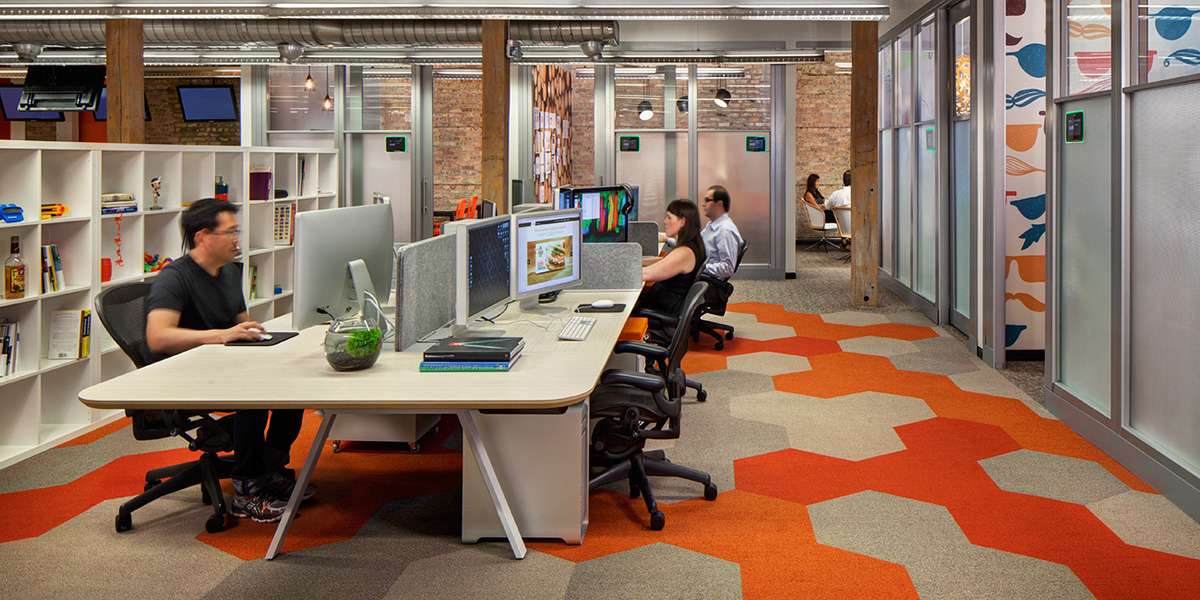
Open office layouts became popular for good reason. When employees can easily see and talk to one another, collaboration tends to happen more naturally. Instead of scheduling a meeting or sending a string of emails, coworkers can ask quick questions, share ideas, and solve problems in real time. That kind of accessibility is especially valuable for teams that work closely together, such as marketing, sales, product development, or creative departments. An open layout also helps flatten the organizational hierarchy. Managers are more approachable, communication feels more transparent, and employees often develop stronger connections with the people around them.
Open offices also offer practical advantages. Without rows of enclosed offices, businesses can make better use of their square footage while creating spaces that are easier to adapt as the company grows. Departments can expand, furniture can be reconfigured, and teams can be reorganized without major renovations. For organizations that anticipate growth or frequent change, that flexibility can be a significant advantage.
But while open offices encourage interaction, they can also make it harder to concentrate. Anyone who has worked in a busy shared space knows how easily a nearby conversation, ringing phone, or impromptu meeting can interrupt deep focus. Those distractions may seem small, but they add up over the course of a day. Employees working on detailed reports, financial analyses, legal documents, or complex projects often need uninterrupted time to do their best work.
The Private Office
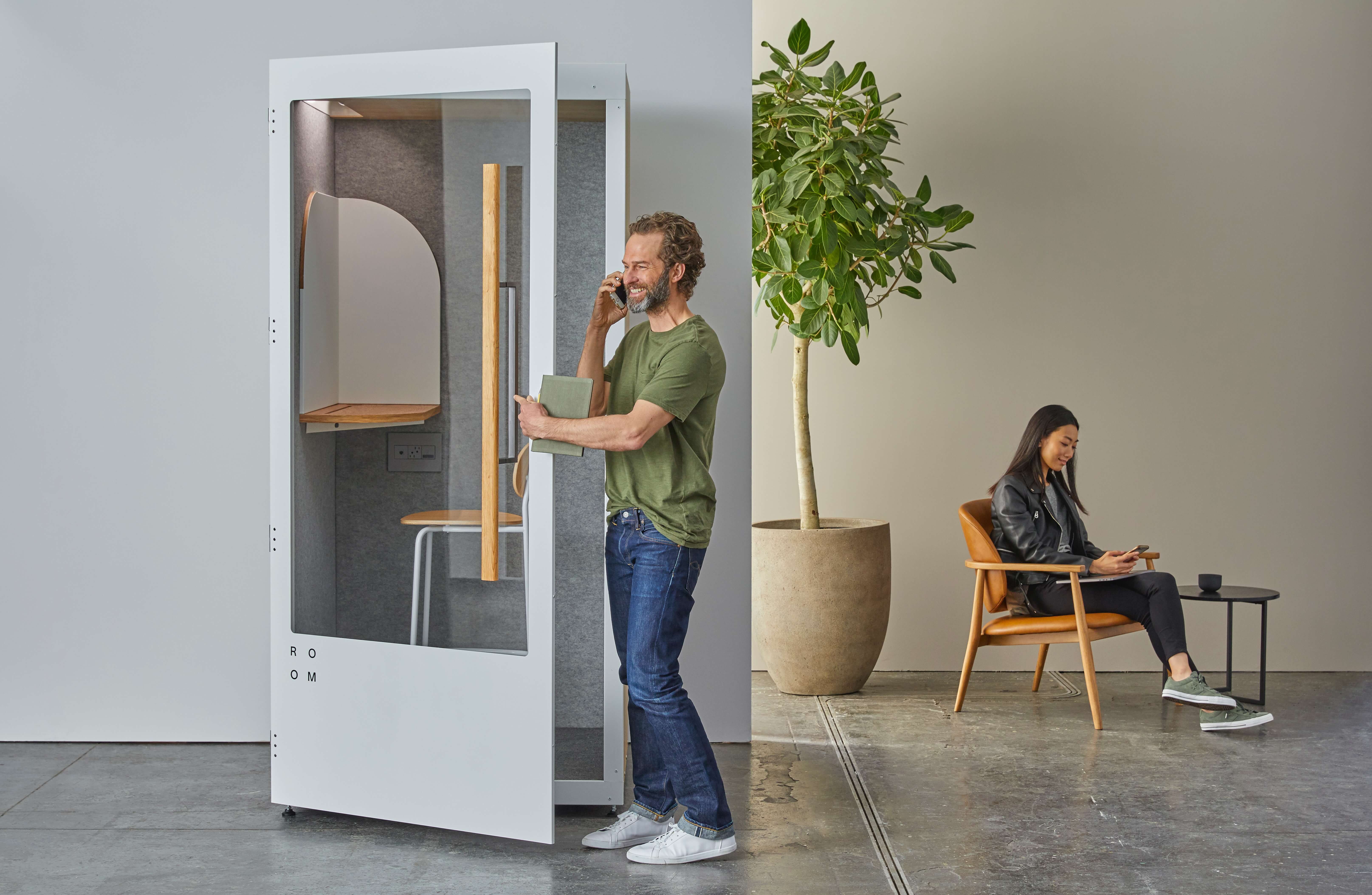
Privacy is another consideration. Not every conversation belongs in the middle of a bustling office. Human resources meetings, client discussions, performance reviews, and confidential business conversations all require spaces where employees can speak openly without worrying about who might overhear. As hybrid work has become more common, the need for quiet places has only increased. Video calls are now a regular part of many workdays, and taking an important client meeting from an open workstation isn't always ideal for either the employee or the person on the other end of the call.
That's one reason private offices continue to play an important role in modern workplace design. While they may not be necessary for every employee, they provide valuable spaces for focused work and confidential conversations. Employees who spend much of their day analyzing data, developing strategy, or participating in virtual meetings often benefit from having a quieter environment where they can work without constant interruptions. Private offices also create a more professional setting for meeting with clients, vendors, or executives.
Of course, private offices have their own trade-offs. They require more square footage, which can increase construction and occupancy costs. They can also reduce the spontaneous conversations that often spark creativity or solve problems quickly. When everyone works behind closed doors, collaboration sometimes becomes something that has to be scheduled instead of happening naturally throughout the day.
Does the Work Support an Open or Private Office?
That's why many companies are moving away from thinking of office design as an either-or decision. Instead of asking whether an office should be open or private, they're asking how the workplace can support different kinds of work. The answer is often a thoughtfully designed mix of spaces that employees can use depending on what they're trying to accomplish.
Imagine an employee starting the morning at their workstation responding to emails and collaborating with teammates. Later, they move into a quiet room to prepare a presentation without distractions. In the afternoon, they meet with a client in a conference room before wrapping up the day in a comfortable lounge area brainstorming ideas with coworkers. Throughout the day, they're using different environments to support different tasks. That's the idea behind today's most successful workplaces.
Flexibility in the Open & Private Office
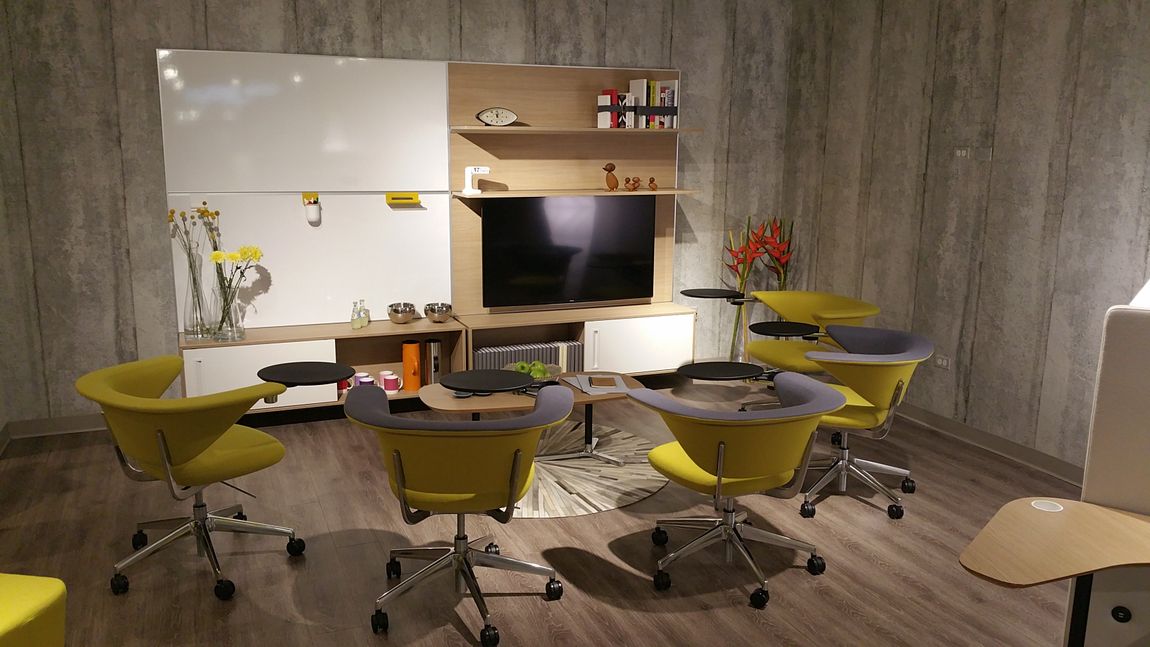
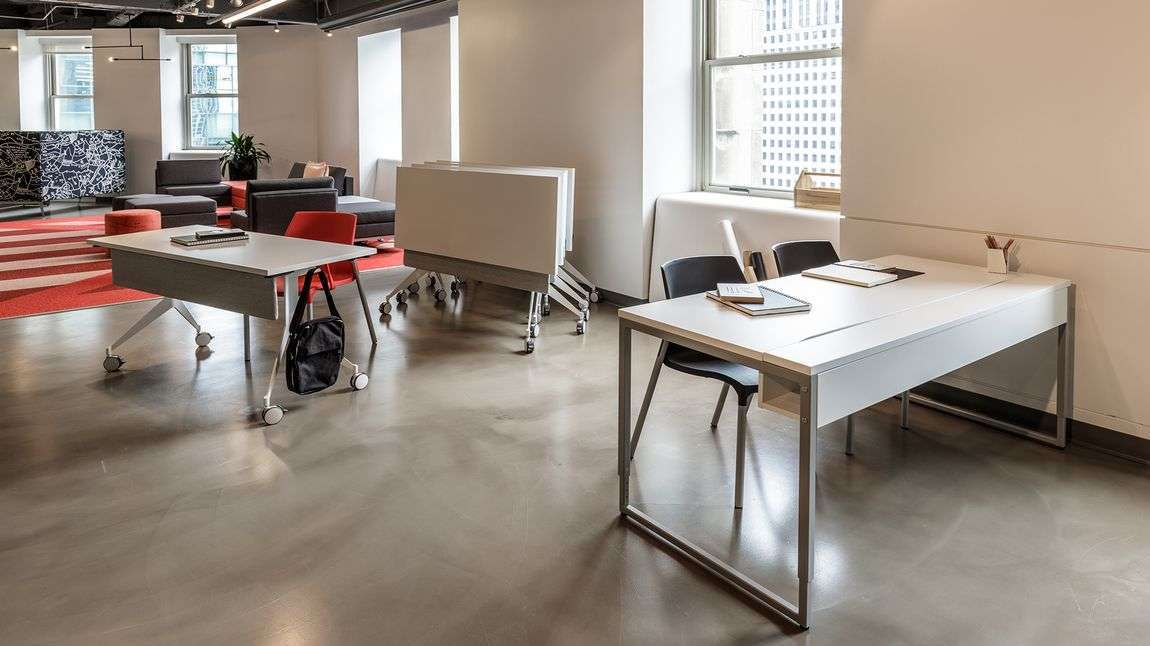
Furniture plays a major role in making this kind of flexibility possible. Modern office furniture isn't just about desks and chairs anymore. Workstations with integrated privacy panels help reduce distractions while maintaining an open feel. Acoustic pods and phone booths provide quiet spaces for private calls or focused work without requiring permanent construction. Conference tables, collaborative seating, and modular furniture allow teams to gather when needed and adapt spaces as business needs change. Comfortable lounge furniture creates informal meeting areas where conversations can happen naturally, while mobile training tables make it easy to transform a room from classroom-style seating into collaborative work groups within minutes.
One of the biggest shifts in workplace design over the last several years has been the realization that employees don't all work the same way. Some people thrive in busy, energetic environments where ideas are constantly flowing. Others do their best work in quieter settings with fewer interruptions. Neither approach is right or wrong, and trying to force everyone into a single type of workspace rarely produces the best results.
Tailor Your Office to the Work & Space
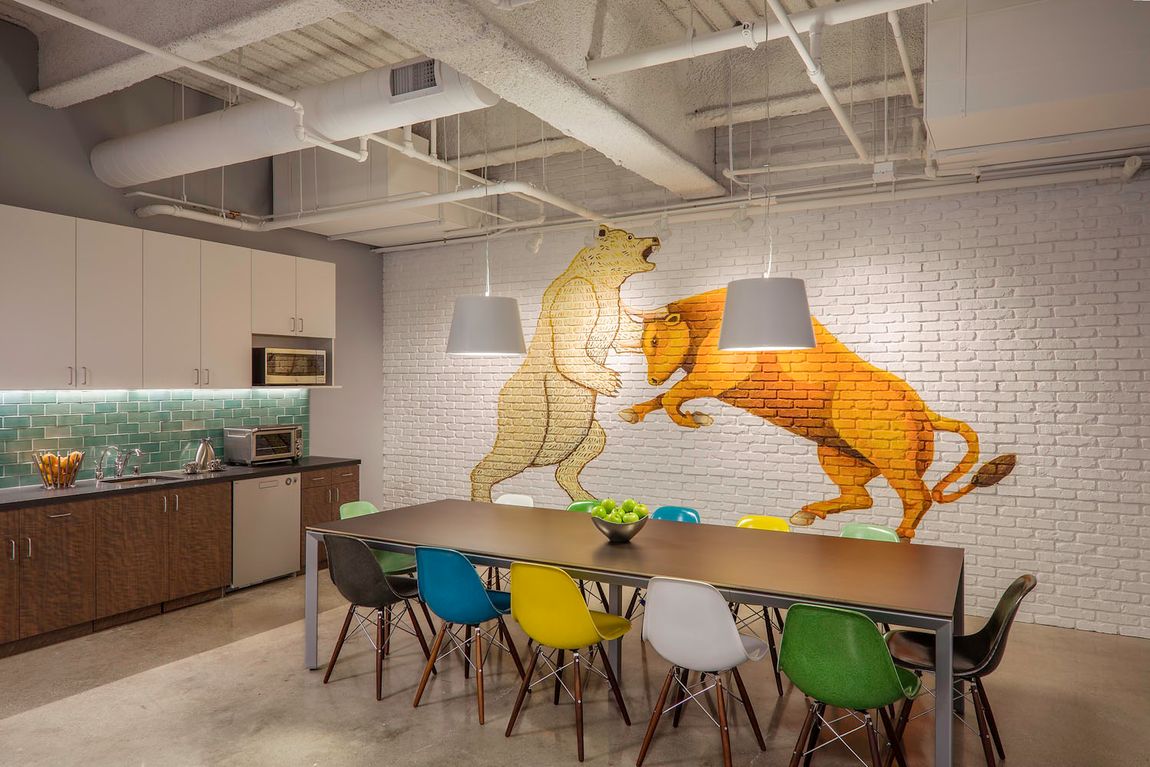
Every business should also consider the nature of the work being performed. A creative agency may prioritize collaborative spaces where teams can brainstorm freely throughout the day. A law firm or accounting office may require more private offices because employees frequently handle confidential information. Technology companies often need both: open collaboration for project teams alongside quiet spaces where developers can focus on writing code. Understanding how employees actually work is far more valuable than simply following the latest office design trend.
It's also worth remembering that today's office should be designed with tomorrow in mind. Businesses change. Teams grow, departments reorganize, and workplace expectations continue to evolve. Investing in flexible furniture systems allows organizations to adapt without replacing their entire office every few years. Modular workstations, movable tables, and adaptable collaboration spaces help future-proof the workplace while protecting the company's investment.
Find the Balance in Your Office
Ultimately, the debate between open offices and private offices isn't about declaring one layout the winner. Both have clear strengths, and both have limitations. The most successful workplaces recognize that employees need opportunities to collaborate, but they also need places where they can concentrate, think creatively, and have private conversations when necessary.
Finding the right balance means creating an office that supports the full range of work happening throughout the day. When employees have access to collaborative areas, quiet spaces, comfortable meeting rooms, and flexible furniture that adapts as their needs change, they're better equipped to do their best work.
At StrongProject, we believe office furniture should support the way people work, not force them into a one-size-fits-all environment. Whether you're furnishing a new office, renovating an existing space, or simply looking for ways to improve productivity and collaboration, the right combination of furniture and thoughtful design can help create a workplace where both your employees and your business can thrive.


