



How Thoughtful Design Can Improve Workplace Culture

When organizations think about workplace culture, the conversation often centers on leadership, communication, values, and employee engagement. While these elements play a critical role, there is another powerful influence that is frequently overlooked: the physical environment itself.
The spaces where people work have a profound impact on how they interact, collaborate, focus, and feel throughout the day. From the layout of a floorplan to the availability of quiet spaces, thoughtful workplace design can either strengthen or undermine the culture an organization is trying to create.
As companies continue to rethink the purpose of the office in an era of hybrid work and evolving employee expectations, workplace design has become more than a facilities concern. It is a strategic tool for shaping culture, supporting well-being, and enabling organizational success.
The Connection Between Space and Culture
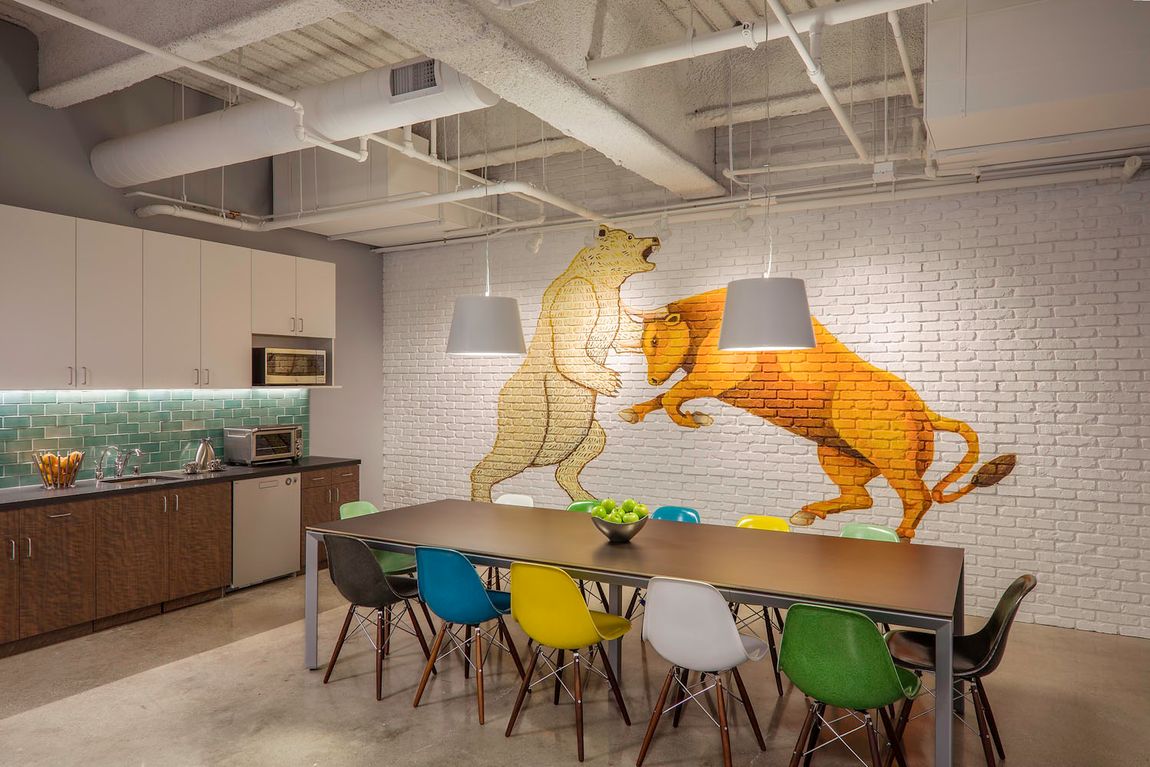
Workplace culture is often described as "how things are done around here." It encompasses shared values, behaviors, relationships, and experiences. While culture may seem intangible, the environments people occupy send powerful messages about what an organization values.
Consider a company that emphasizes collaboration but provides employees with isolated workstations and limited meeting areas. Or an organization that promotes innovation while maintaining rigid, uninspiring office layouts that discourage interaction. In both cases, the physical environment contradicts the desired culture.
Conversely, workplaces that align with organizational goals help reinforce behaviors and attitudes that support success. The design of a workplace becomes a daily expression of company values.
Every design decision communicates something. Open gathering spaces may encourage connection and knowledge sharing. Quiet focus areas demonstrate respect for concentration and productivity. Flexible environments signal trust and adaptability. Together, these elements help create a culture that employees can experience, not just read about in a mission statement.
Encouraging Meaningful Collaboration
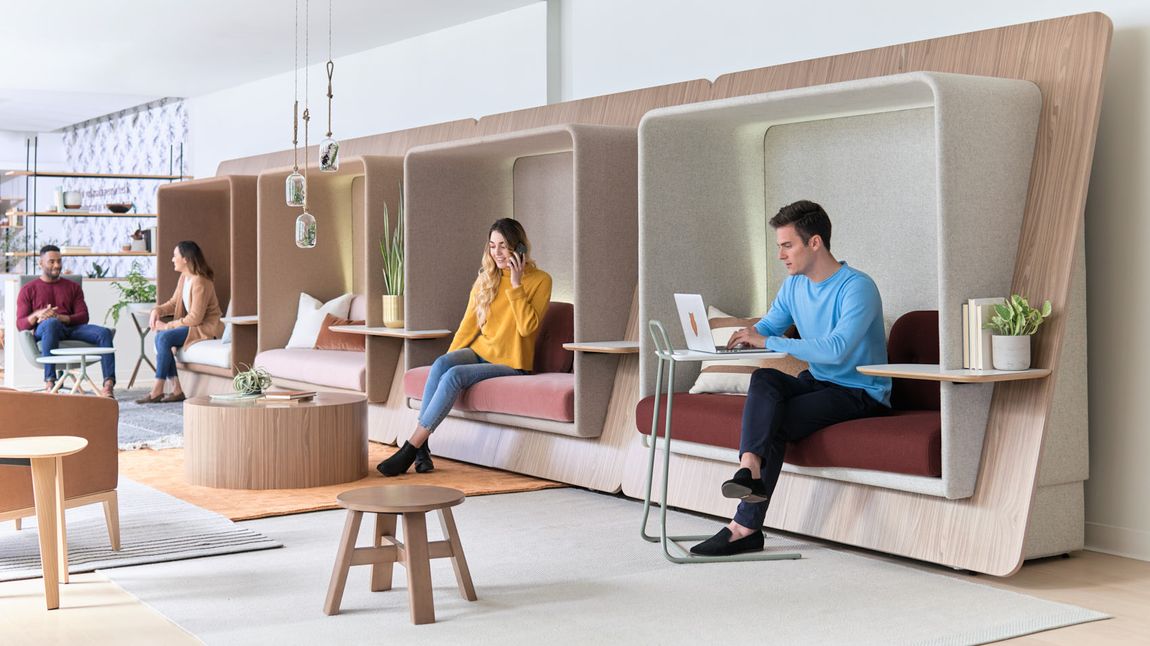
One of the most significant ways design influences culture is through collaboration.
Employees are more likely to exchange ideas, solve problems together, and build relationships when the workplace makes those interactions easy and natural. Strategic placement of communal areas, informal meeting spaces, and collaborative work zones can create opportunities for spontaneous conversations that often lead to innovation.
However, effective collaboration is not simply about creating more open space. In recent years, many organizations discovered that completely open office environments can introduce distractions, reduce privacy, and increase stress.
Thoughtful design balances opportunities for teamwork with spaces that support focused work. Employees need environments that allow them to move between collaboration and concentration depending on the task at hand. When workplaces provide this balance, teams can work more effectively while maintaining stronger interpersonal connections.
Supporting Employee Well-Being
.png)
Culture and well-being are deeply interconnected. Employees who feel physically and mentally supported are more likely to be engaged, productive, and committed to their organizations. Workplace design plays an important role in creating that support.
Natural light, ergonomic furniture, proper acoustics, comfortable temperatures, and access to restorative spaces can significantly influence employee satisfaction. Research consistently shows that workplace conditions affect stress levels, energy, mood, and overall performance.
Thoughtful workplaces recognize that employees are human beings, not simply workers performing tasks. Design elements that promote comfort and wellness help create an environment where people can do their best work without sacrificing their health. Organizations that invest in employee well-being through design send a clear message: people matter here.
Building a Sense of Belonging
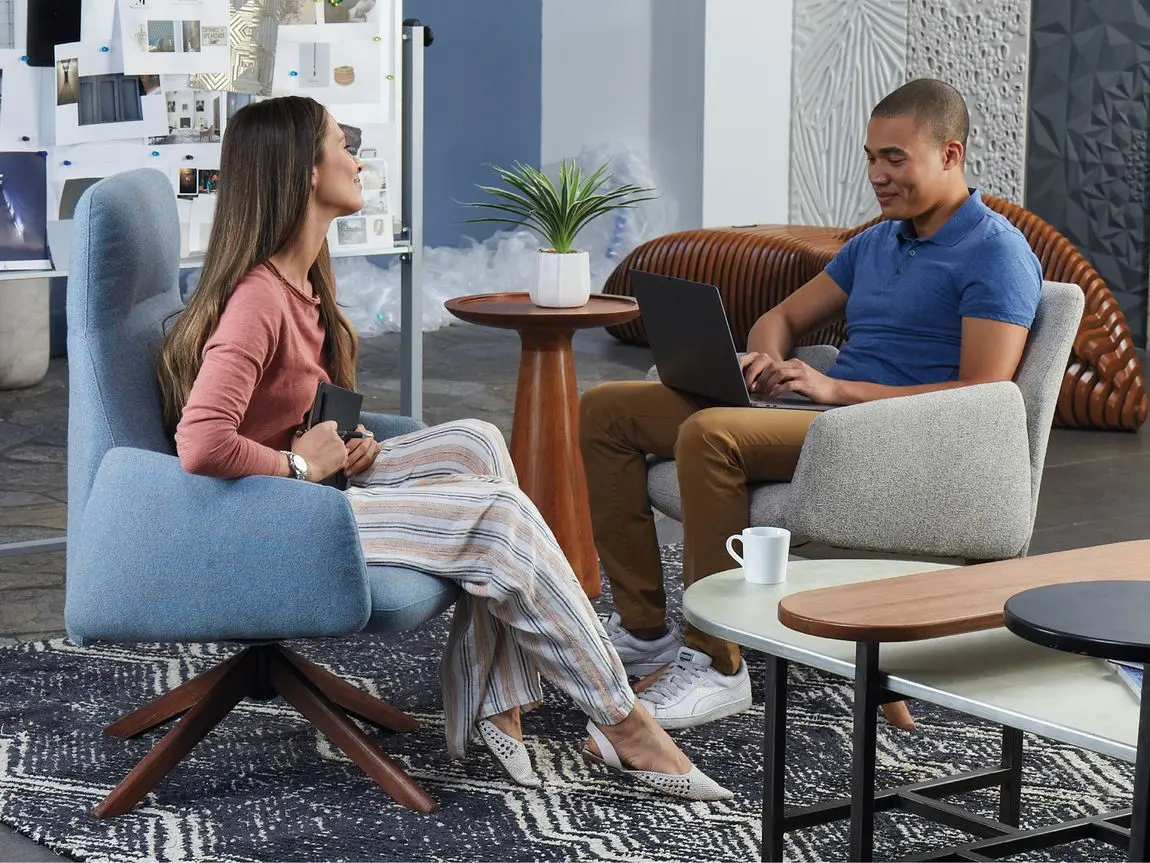
A strong culture depends on employees feeling connected to both their colleagues and the organization itself. Thoughtful workplace design can help foster that connection.
Shared spaces that encourage interaction help employees develop relationships across departments and teams. Inclusive design ensures that people with different needs, preferences, and work styles feel supported. Spaces that reflect company values, history, and mission can strengthen employees' sense of purpose and identity.
Belonging does not happen automatically. It requires intentional effort, and the workplace environment can either facilitate or hinder those efforts. When employees feel welcomed, valued, and included in the spaces they occupy every day, they are more likely to develop stronger emotional connections to the organization.
Supporting Flexibility and Choice
Today's workforce expects greater flexibility than ever before. Employees perform a variety of tasks throughout the day, each requiring different levels of focus, collaboration, privacy, and technology support. A one-size-fits-all workplace rarely meets these diverse needs.
Thoughtful design embraces flexibility by offering a range of spaces that employees can choose from based on their work requirements. This might include private focus rooms, collaborative project areas, informal lounges, conference rooms, and technology-enabled hybrid meeting spaces.
Providing choice empowers employees to work in ways that support their productivity and preferences. More importantly, it demonstrates trust. When organizations give employees autonomy over how and where they work within the workplace, they reinforce a culture of respect, accountability, and empowerment.
Strengthening Organizational Values
.png)
Workplace design can also serve as a physical representation of organizational values. Companies that prioritize sustainability may incorporate environmentally responsible materials and energy-efficient systems. Organizations that value transparency may utilize layouts that encourage visibility and accessibility. Businesses focused on innovation may create flexible spaces designed for experimentation and creativity.
When the workplace reflects the principles an organization promotes, employees experience greater consistency between what leaders say and what they see every day. This alignment strengthens credibility and reinforces cultural messages throughout the employee experience.
Designing for the Future
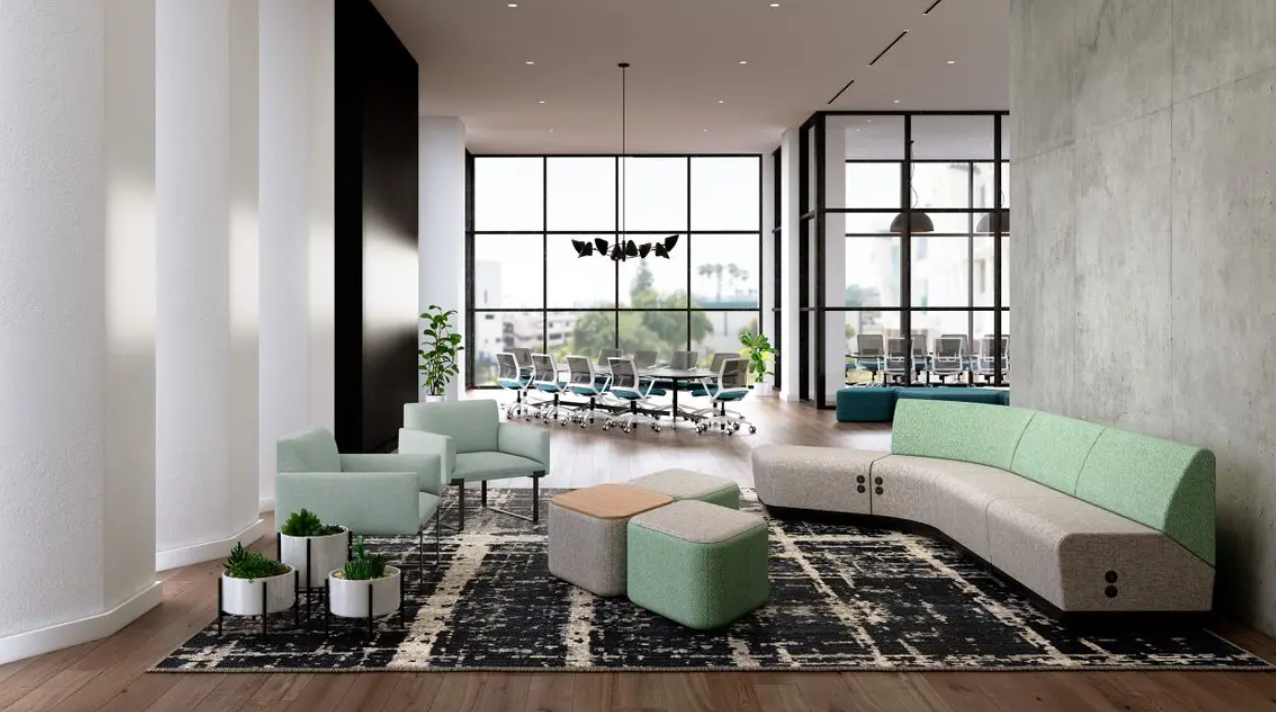
The modern workplace continues to evolve. Hybrid work arrangements, changing employee expectations, and advances in technology are reshaping how organizations think about their physical spaces.
As a result, workplace design is no longer simply about accommodating desks and meeting rooms. It is about creating environments that support people, strengthen relationships, and enable meaningful work.
Organizations that approach workplace design strategically recognize that culture is influenced by more than policies and leadership behaviors. The physical environment plays a critical role in shaping how employees interact, collaborate, and feel. Thoughtful design helps create workplaces where people can connect, focus, innovate, and thrive.
Do You Need to Change Workplace Culture?
Workplace culture is built through countless daily experiences, and the physical environment is one of the most influential factors shaping those experiences.
When organizations invest in thoughtful design, they create spaces that support collaboration, well-being, belonging, flexibility, and alignment with organizational values. These outcomes contribute directly to stronger cultures and better business performance. The most effective workplaces are not simply functional. They are intentional environments designed to help people succeed.
As organizations continue to navigate the future of work, thoughtful workplace design will remain a powerful tool for building cultures where employees feel engaged, supported, and inspired to do their best work.
Want to learn more about modern office design? Check out these related posts:


.png&w=750&q=75)
