



Designing Multi-Use Spaces With Acoustic Furniture

Modern workplaces are being asked to do more than ever before. Offices are no longer just rows of desks and conference rooms reserved for scheduled meetings. Today’s spaces need to support collaboration, focused work, casual conversations, virtual meetings, brainstorming sessions, and moments of quiet, all often happening at the same time and within the same footprint.
That shift has pushed organizations to rethink how their environments function. And one of the biggest challenges in creating flexible, multi-use spaces? Noise.
Open offices may encourage interaction and visibility, but they also introduce distractions that can make it difficult for employees to focus, communicate effectively, or feel comfortable throughout the day. That’s where acoustic furniture is changing the conversation. Instead of relying solely on walls and permanent construction to define space, businesses are using acoustic solutions to create adaptable environments that balance openness with privacy.
The result is a workplace that feels more flexible, more functional, and far more supportive of how people actually work.
Why Multi-Use Spaces Matter
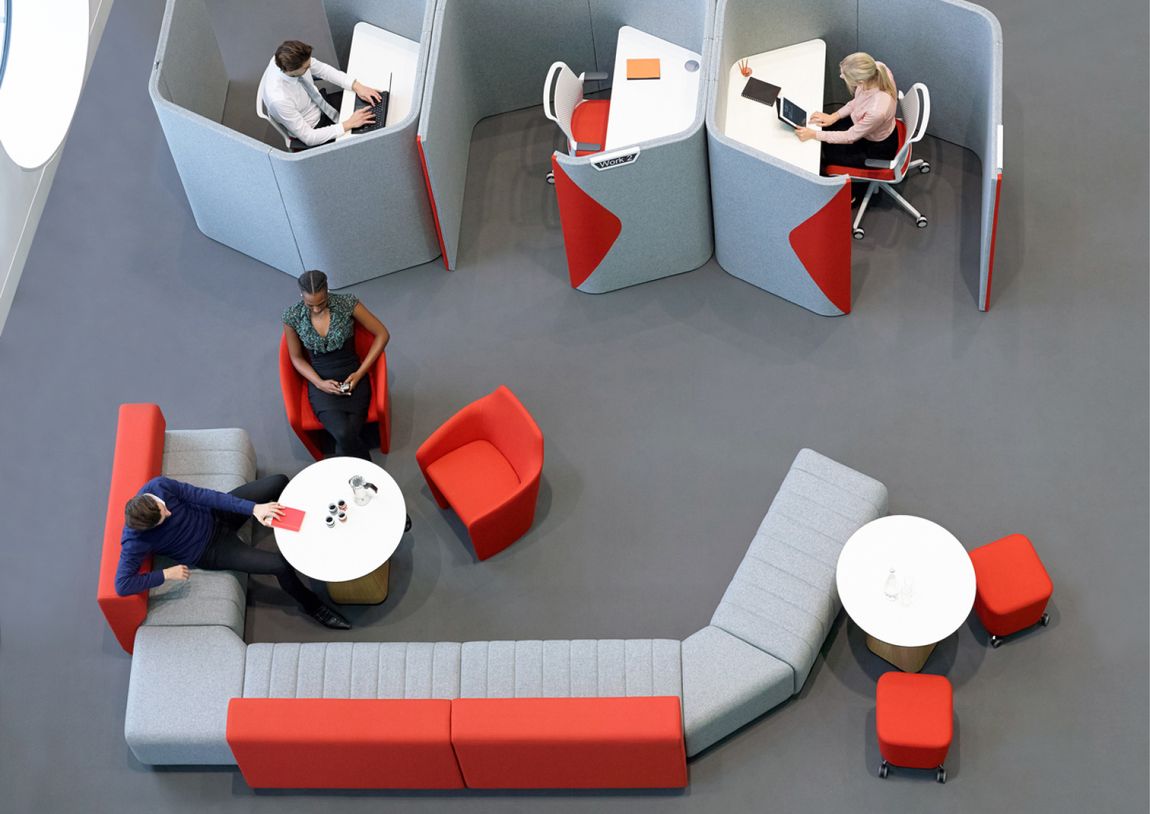
Multi-use spaces have become essential because work itself has become more fluid. A single area might serve as a touchdown space in the morning, a collaboration zone in the afternoon, and a quiet focus area later in the day. Employees move between tasks constantly, and they need environments that can move with them.
The challenge for designers and organizations is creating spaces that can support different activities without becoming chaotic or overwhelming. Acoustic furniture helps solve that problem by creating subtle boundaries without sacrificing flexibility.
High-backed seating, acoustic booths, privacy pods, movable panels, and sound-absorbing lounge pieces all help shape how a space functions while reducing the noise that naturally comes with shared environments. These solutions create separation without isolation, allowing offices to remain open and connected while still supporting concentration and comfort.
More Than Just Noise Reduction
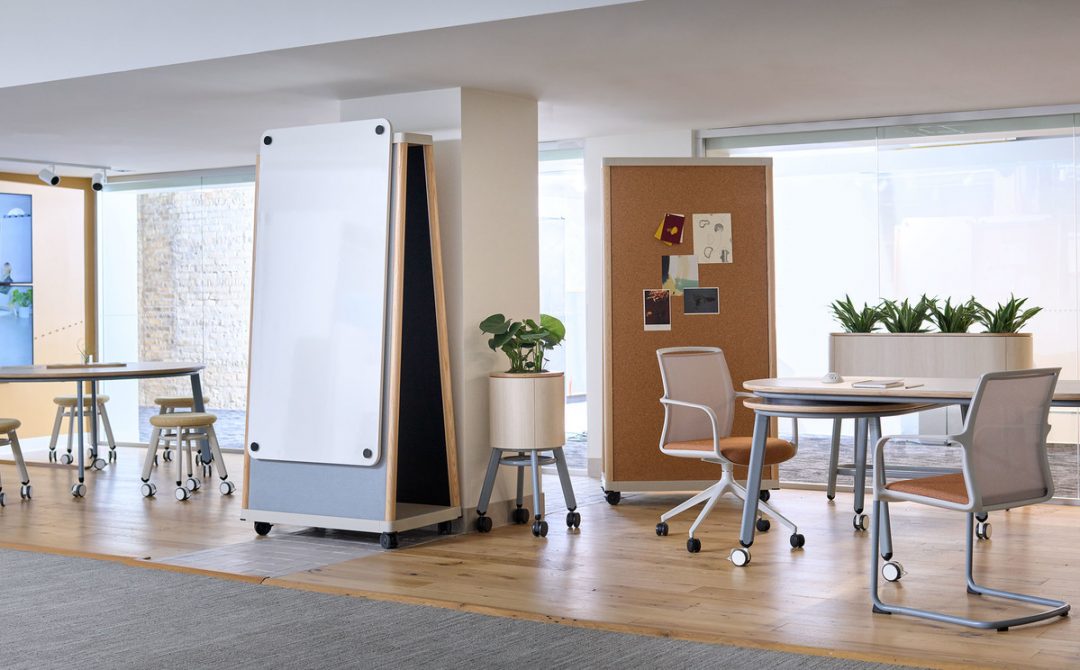
One of the biggest misconceptions about acoustic furniture is that it only exists to make offices quieter. While sound absorption is certainly part of the equation, the real value is in how acoustic solutions influence behavior, movement, and overall workplace experience.
People naturally gravitate toward spaces that feel comfortable and intentional. Acoustic furniture helps create those destinations within the office.
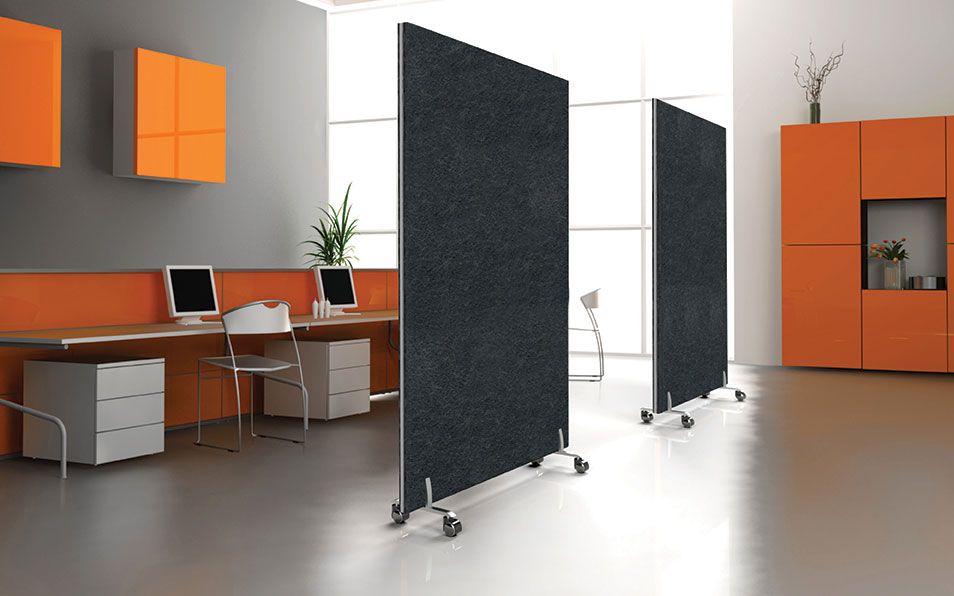
For example, a high-backed acoustic lounge setup can instantly transform an open corner into a semi-private area for informal meetings or focused work. Acoustic booths can provide employees with quick access to privacy for virtual calls without requiring dedicated conference rooms. Movable acoustic panels can divide larger areas into smaller zones that support multiple functions throughout the day.
These elements allow organizations to maximize their square footage while still giving employees choice in how and where they work.
Supporting Hybrid Multi-Use Spaces
.png)
That flexibility matters more than ever in hybrid workplaces. As organizations continue to adapt to changing work patterns, offices are being designed less around assigned seating and more around activity-based work.
Employees may come into the office specifically to collaborate, connect with coworkers, or access resources they can’t replicate at home. At the same time, they still need places to focus, recharge, and work independently.
Acoustic furniture supports that balance by helping organizations create a variety of environments within one cohesive workplace. Instead of building fixed rooms for every possible need, businesses can create adaptable zones that evolve alongside their teams.
A collaborative lounge area can also support heads-down work. A café space can double as a meeting zone. A quiet pod can become a space for virtual presentations or one-on-one conversations. Acoustic solutions make these transitions feel seamless.
Multi-Use Spaces & Employee Well-Being
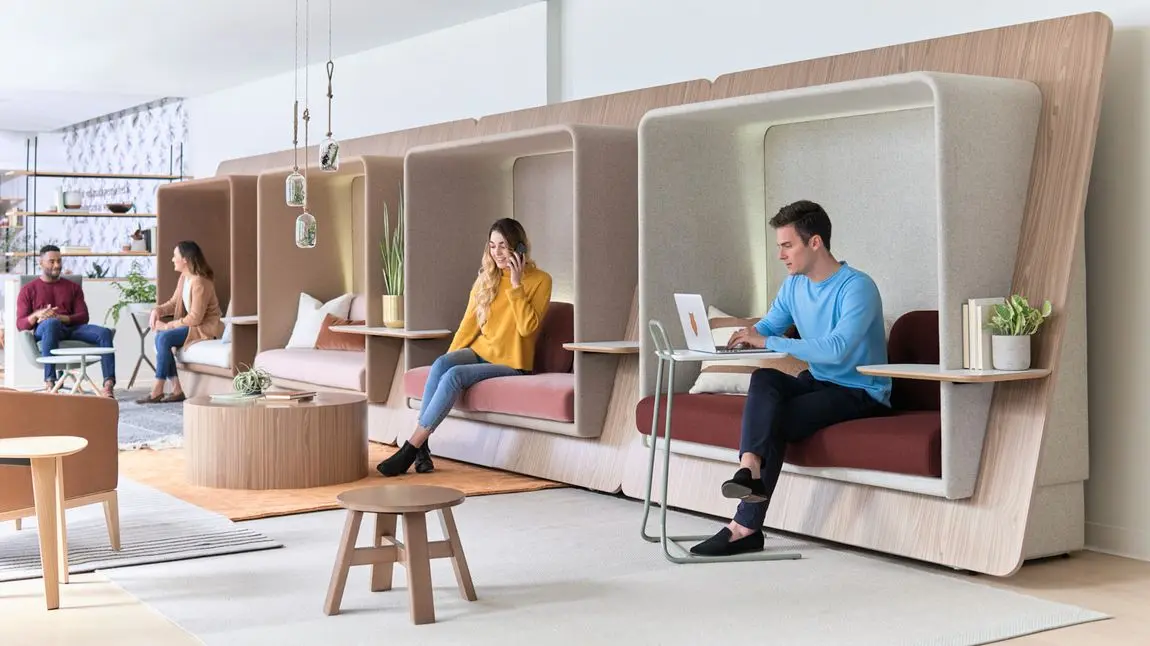
Another major benefit of acoustic furniture is its ability to improve employee well-being. Workplace noise is one of the most common complaints in open office environments, and constant distractions can contribute to stress, fatigue, and reduced productivity.
When employees struggle to concentrate or feel like they have nowhere to escape interruptions, the overall workplace experience suffers.
Acoustic furniture helps create a sense of control within the environment. Employees don’t necessarily need complete silence, but they do need options. Having access to quieter, more private spaces throughout the office allows people to choose the setting that best fits their task and energy level.
That autonomy can make a significant difference in both performance and satisfaction.
Comfort also plays a major role in the effectiveness of multi-use spaces. If an area feels overly loud, exposed, or distracting, employees are less likely to use it as intended. Acoustic furniture softens the environment both visually and physically. Upholstered surfaces, curved forms, and integrated sound-absorbing materials help create spaces that feel calmer and more inviting.
Instead of sterile or rigid office layouts, workplaces become more hospitality-driven and human-centered.
Creating More Adaptable Offices
This is especially important as organizations focus more on employee experience and workplace culture. The office environment communicates a great deal about how a company values its people.
Flexible, thoughtfully designed spaces send a message that organizations understand the realities of modern work and are willing to invest in environments that support collaboration, wellness, and productivity equally.
Acoustic furniture also contributes to better space efficiency. Traditional construction can be expensive, time-consuming, and difficult to adapt as needs change. Acoustic solutions offer a more agile approach. Instead of building permanent walls or renovating entire floorplans, organizations can use furniture to create zones and improve functionality with far greater flexibility.
This adaptability is particularly valuable for growing companies or organizations navigating uncertain workplace needs. Teams evolve. Headcounts change. Work styles shift. Furniture-based solutions allow businesses to reconfigure spaces without major disruptions or long-term commitments.
Acoustic panels can be moved. Lounge areas can expand or contract. Modular pods and seating arrangements can be adjusted as teams grow and workflows change.
Using Acoustic Furniture to Define Space
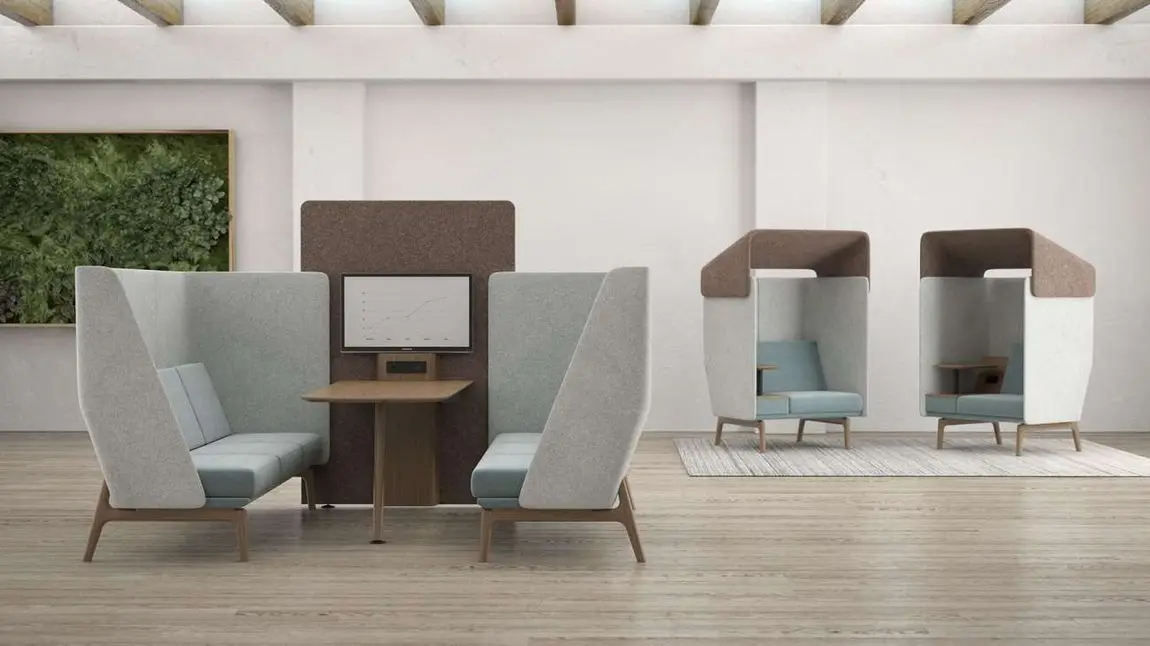
Designers are increasingly using acoustic furniture to support visual organization within open environments. In many offices, too much openness can make spaces feel undefined or overwhelming.
Acoustic elements help establish natural pathways, gathering zones, and focus areas without making the office feel closed off. The result is a workspace that feels intentional and easy to navigate.
Technology integration has also increased the importance of acoustic solutions in workplace design. Virtual meetings are now a daily part of office life, and many employees spend significant portions of their day on video calls. Without proper acoustic support, shared offices can quickly become noisy and disruptive.
Acoustic booths and semi-private workstations help contain sound while giving employees comfortable spaces for virtual communication.
This is one of the reasons acoustic furniture has become such a critical component of modern hybrid office design. Offices are no longer designed solely around physical collaboration. They also need to support digital collaboration happening simultaneously across multiple teams and locations.
Acoustic solutions help bridge that gap by creating spaces that support both in-person interaction and virtual communication without conflict.
Designing Multi-Use Spaces With Intention
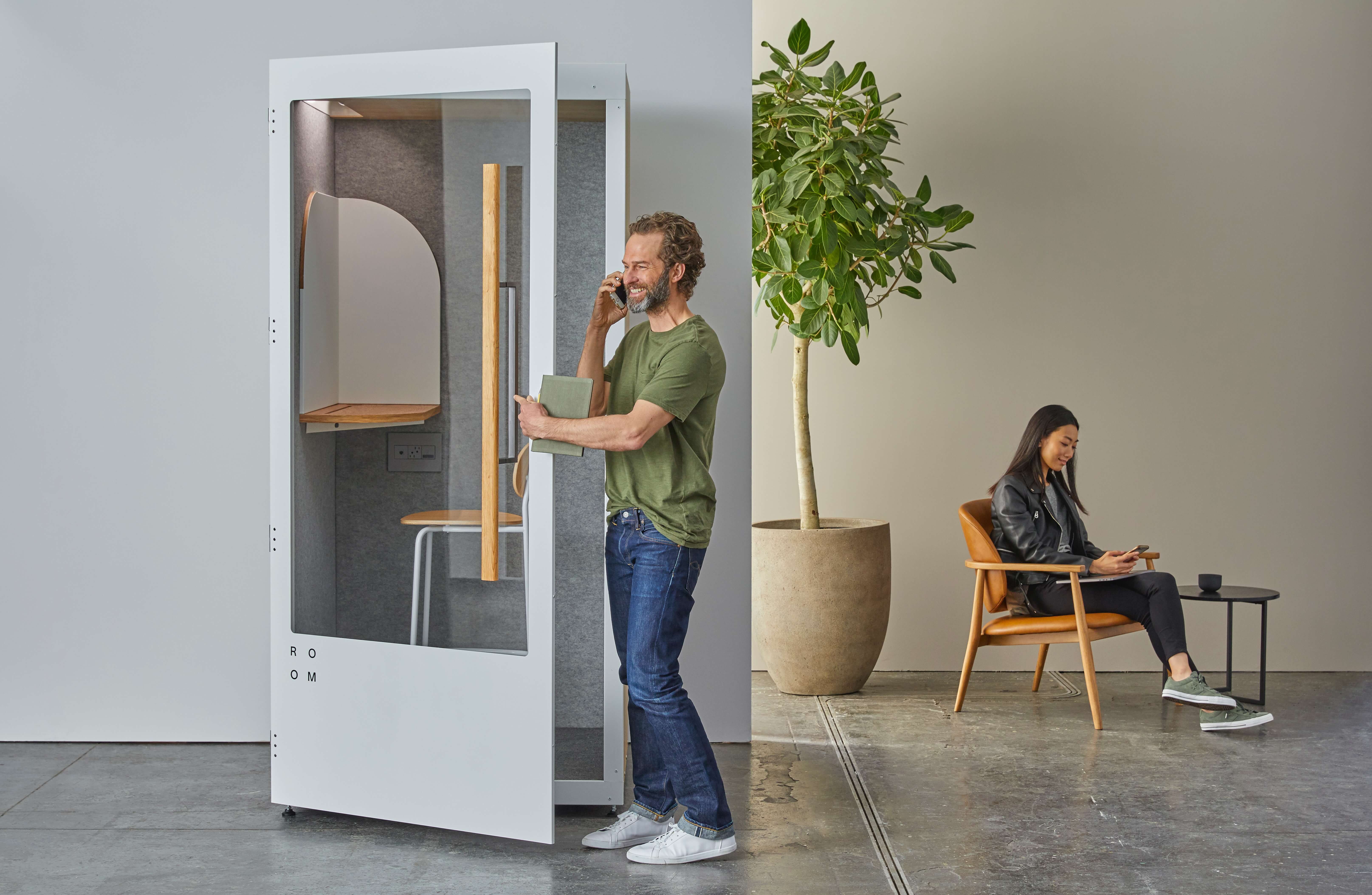
Of course, effective multi-use design is not about filling an office with random pods or panels. Successful spaces are created through intentional planning.
Organizations need to think carefully about how employees use the office, where distractions tend to occur, and which activities require the most support. Acoustic furniture works best when it is integrated into a larger workplace strategy rather than treated as an afterthought.
That often starts with understanding employee behavior. Where do people naturally gather? Which areas become too noisy? What types of work happen most frequently throughout the day? By analyzing these patterns, organizations can create environments that better align with real workplace needs instead of relying on assumptions.
It’s also important to recognize that different teams may require different types of spaces. Creative collaboration zones may benefit from open lounge seating with light acoustic separation, while focused project work may require more enclosed settings.
Customer-facing teams may need quick access to private call areas, while executive spaces may prioritize confidentiality and concentration. Acoustic furniture allows organizations to tailor solutions without losing overall cohesion in the workplace design.
The Evolution of Acoustic Furniture Design
The aesthetic evolution of acoustic furniture has also played a major role in its growing popularity. Today’s solutions are far removed from the bulky, uninspiring office dividers of the past.
Modern acoustic furniture blends performance with design, offering sleek profiles, residential influences, and customizable finishes that complement contemporary office aesthetics.
This matters because employees want workplaces that feel inspiring and comfortable, not overly corporate or institutional. Acoustic solutions now contribute to the overall design story of a space rather than detracting from it.
They can add texture, warmth, color, and visual interest while still serving an important functional purpose.
Building Workspaces That Truly Work
Ultimately, designing multi-use spaces is about creating workplaces that support flexibility without sacrificing focus, comfort, or connection. Employees need environments that can adapt to changing tasks and work styles throughout the day. Organizations need solutions that maximize efficiency while improving the overall workplace experience. Acoustic furniture helps bridge those needs in a way that feels natural, scalable, and human-centered.
As the workplace continues to evolve, the most successful offices will not necessarily be the loudest, largest, or most visually dramatic. They will be the ones designed with intention, spaces that understand how people work, communicate, and recharge.
Acoustic furniture plays a critical role in making that possible by helping offices become more adaptable, more supportive, and ultimately more effective for everyone who uses them.
Want more modern office design tips? Check out these related posts from the StrongProject Blog:


.png&w=750&q=75)
