



Office Design and Its Impact on Communication

Communication is at the heart of every successful organization. It drives collaboration, strengthens relationships, fuels innovation, and helps teams stay aligned around shared goals. Yet when organizations think about improving communication, they often focus on leadership development, communication training, or technology platforms while overlooking one of the most influential factors: the workplace itself.
The physical environment plays a significant role in shaping how people interact. Office design affects who employees encounter throughout the day, how easily conversations happen, and whether collaboration feels natural or forced. Every workspace, whether intentionally or unintentionally, sends a message about how people are expected to communicate.
As organizations continue to navigate hybrid work models and evolving employee expectations, understanding the relationship between office design and team communication has become more important than ever.
The Workplace Shapes Human Behavior
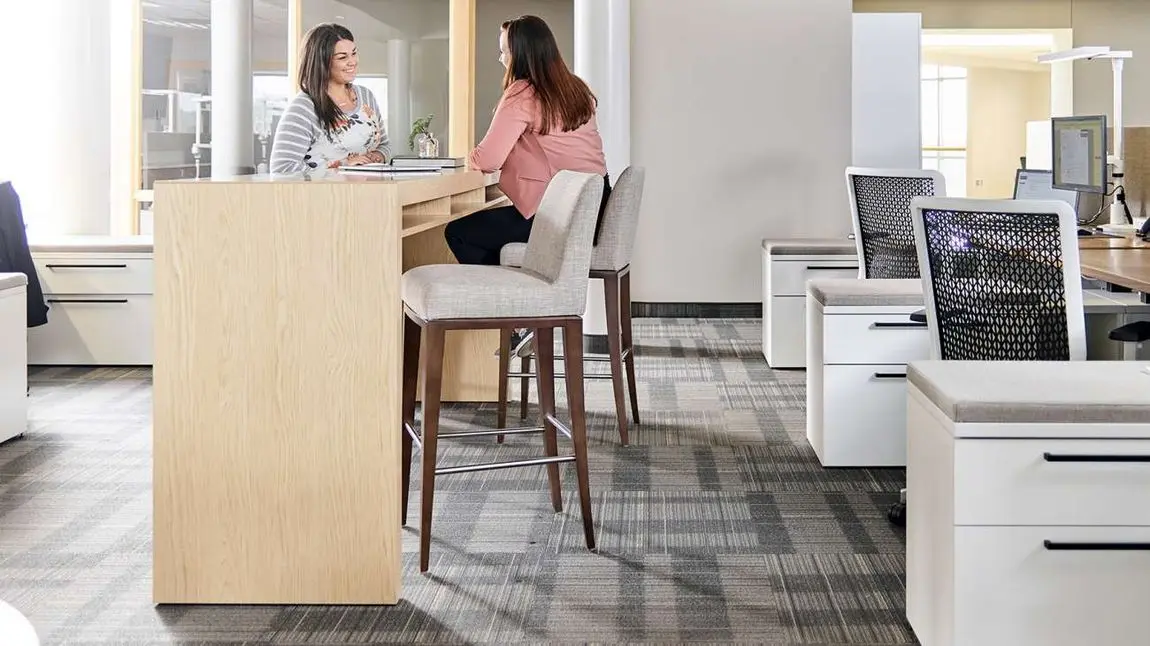
People respond to their environments. The spaces where employees spend their workdays influence not only how they perform tasks but also how they connect with one another.
Consider two different office environments. In one, employees work in isolated spaces with limited opportunities for interaction. Communication often requires a scheduled meeting, a lengthy email chain, or a deliberate effort to seek someone out. In another environment, shared spaces, flexible work areas, and thoughtfully designed gathering places encourage natural interaction throughout the day. Questions get answered more quickly, ideas are exchanged more freely, and relationships develop more organically.
Neither environment guarantees good communication, but one certainly makes it easier.
Workplace design can either create friction that hinders communication or remove barriers that help conversations flow naturally. When organizations intentionally design spaces that encourage interaction, communication becomes part of the everyday work experience rather than something that requires extra effort.
The Power of Unplanned Conversations
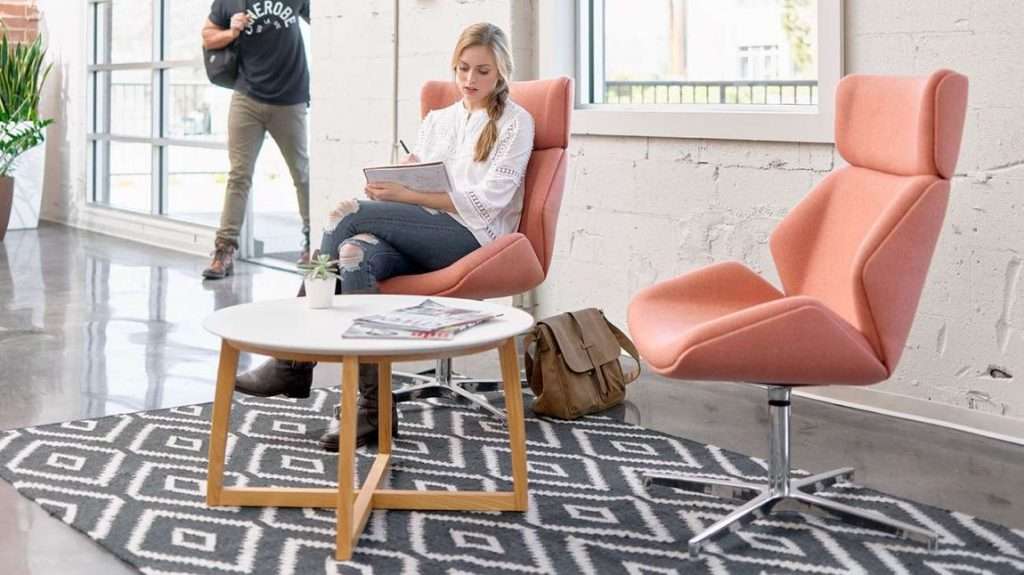
Some of the most valuable workplace interactions are the ones that never make it onto a calendar.
A casual conversation while grabbing coffee. A quick question asked while passing through a shared workspace. An impromptu discussion sparked by a chance encounter. These seemingly small moments often lead to problem-solving, innovation, and stronger working relationships.
In many ways, these spontaneous interactions serve as the connective tissue of an organization. They help employees stay informed, build trust, and share knowledge in ways that formal meetings cannot always replicate.
Thoughtful office design creates opportunities for these moments to occur. Comfortable gathering spaces, centrally located amenities, and flexible collaboration areas encourage employees to connect naturally throughout the day. Rather than forcing collaboration, these spaces simply make it more likely.
As organizations seek ways to foster innovation and strengthen teamwork, creating environments that support spontaneous communication can be a powerful strategy.
Communication Requires More Than Open Space
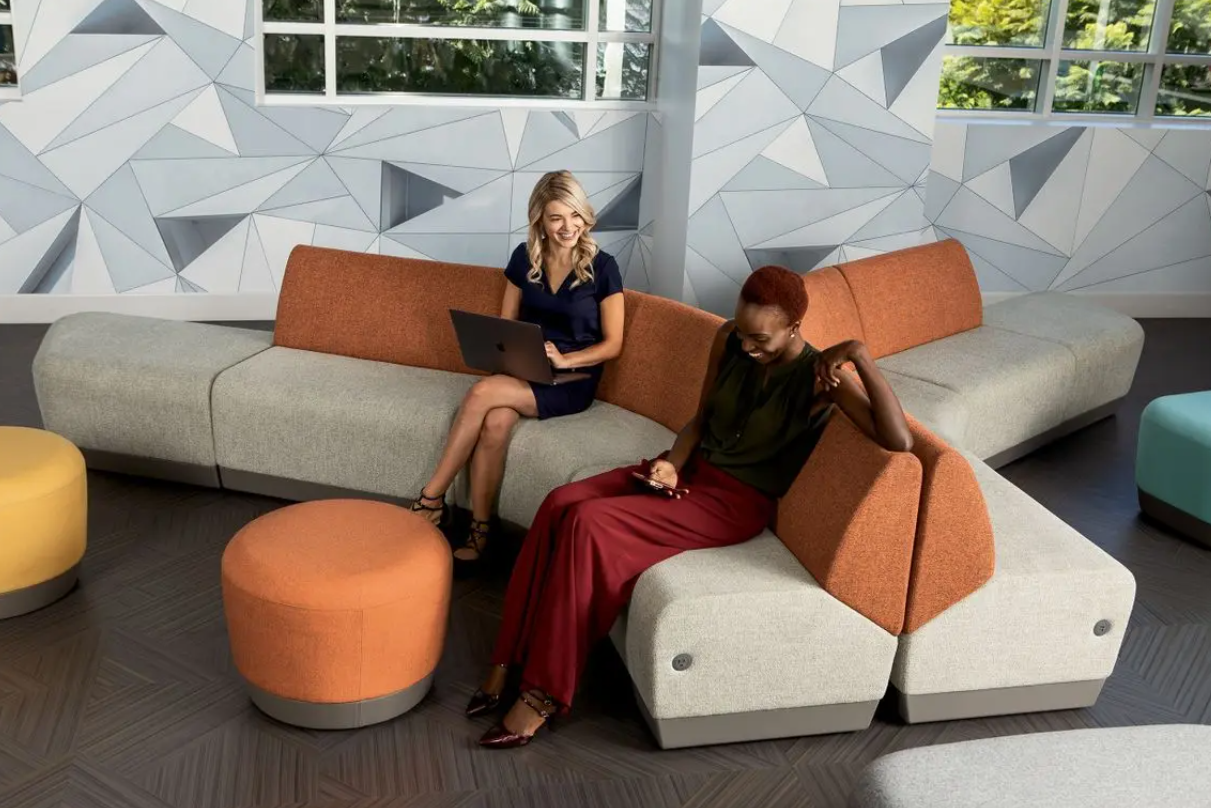
For years, many organizations embraced open office concepts with the goal of improving collaboration. While the intention was understandable, experience has shown that communication is far more nuanced than simply removing walls.
Not every conversation benefits from an open environment. Some discussions require privacy, focus, or confidentiality. Employees need spaces where they can brainstorm with a team, conduct sensitive conversations, join virtual meetings, or concentrate on complex work without distraction.
The most effective workplaces recognize that communication takes many forms. Rather than designing around a single work style, they provide a variety of spaces that support different communication needs.
A team brainstorming session may thrive in an open collaboration area, while a one-on-one coaching conversation may require a quiet meeting room. Similarly, employees participating in virtual meetings need environments where they can engage without disrupting those around them.
When workplaces offer flexibility and choice, employees can select the environment that best supports the conversation they need to have. This approach improves both communication quality and overall workplace experience.
Breaking Down Organizational Silos
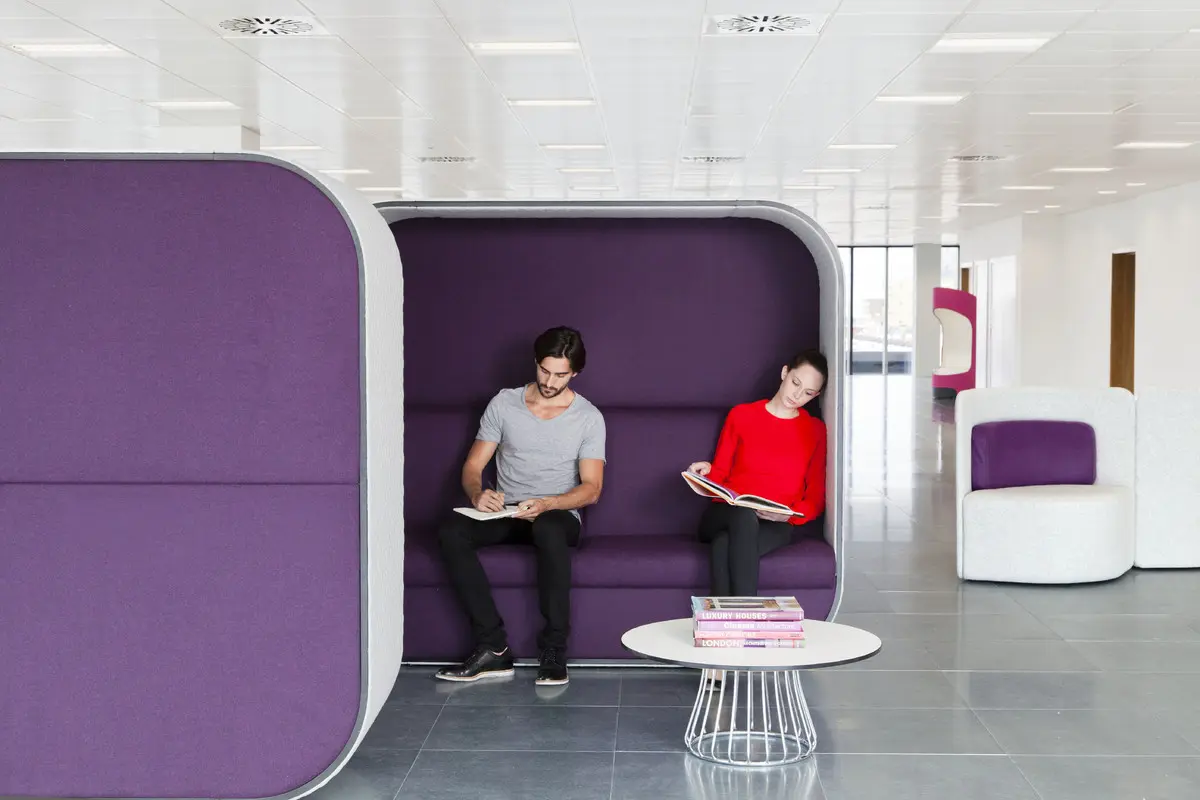
One of the most common communication challenges organizations face is the existence of silos. Departments become disconnected from one another, limiting the flow of information and reducing opportunities for collaboration.
Marketing teams may have little interaction with operations. Customer service employees may rarely connect with product development teams. Leaders may become separated from frontline employees.
Over time, these barriers can lead to misunderstandings, duplicated efforts, and missed opportunities for innovation.
Office design can help address this challenge by creating opportunities for employees from different teams to interact more frequently. Shared spaces, central gathering areas, and cross-functional collaboration zones encourage people to move beyond their immediate workgroups and connect with colleagues they might not otherwise encounter.
These interactions often lead to a broader understanding of organizational goals and challenges. Employees gain new perspectives, relationships strengthen, and communication becomes more fluid across the organization.
In many cases, a workplace designed to encourage connection can help reduce silos without requiring significant organizational changes.
Creating Environments That Support Psychological Safety
.png)
Effective communication depends on more than physical proximity. Employees must also feel comfortable speaking up, sharing ideas, and asking questions.
This concept, often referred to as psychological safety, has become increasingly important in discussions about workplace culture and team performance.
Office design can contribute to psychological safety in subtle but meaningful ways. Environments that feel chaotic, overcrowded, or overly distracting can increase stress and discourage participation. Employees may become hesitant to engage in conversations if they feel constantly observed or interrupted.
Conversely, workplaces that offer a balance of collaboration and privacy help employees feel more comfortable and supported. Quiet rooms, private meeting spaces, and flexible work settings provide options for different communication styles and personal preferences.
When employees feel comfortable in their environment, they are often more willing to contribute ideas, provide feedback, and engage in meaningful discussions. In this way, office design becomes an important contributor to a culture of openness and trust.
Communication in the Hybrid Workplace
.png)
The rise of hybrid work has fundamentally changed how teams communicate. Employees are no longer working from the same location every day, and organizations must now support collaboration across both physical and virtual environments.
This shift has transformed the role of the office itself.
Rather than serving primarily as a place for individual work, many offices are evolving into destinations for collaboration, connection, and team engagement. Employees increasingly come together in person for activities that benefit most from face-to-face interaction, while focused work may take place elsewhere.
To support this new reality, workplaces must be designed with both in-person and remote communication in mind. Meeting rooms equipped with video conferencing technology, flexible collaboration spaces, and shared project areas help ensure that all employees can participate fully regardless of location.
Successful hybrid workplaces recognize that communication is no longer limited to those physically present in the office. Design decisions must support inclusivity and connection across the entire workforce.
Reducing Friction and Improving Communication Flow
Every workplace contains elements that either help or hinder communication. Sometimes the obstacles are surprisingly simple.
A lack of available meeting rooms can delay important conversations. Poor acoustics can make collaboration frustrating. Insufficient technology can create barriers between remote and in-office employees. Even furniture that is uncomfortable or inflexible can discourage people from gathering and engaging with one another.
These small frustrations add up over time, creating communication friction that impacts productivity and collaboration.
Thoughtful workplace design focuses on eliminating these obstacles. When employees can easily find a space to meet, access the tools they need, and communicate comfortably, conversations happen more naturally and more often.
The result is not only better communication but also a more efficient and enjoyable workplace experience.
Building Stronger Workplace Relationships
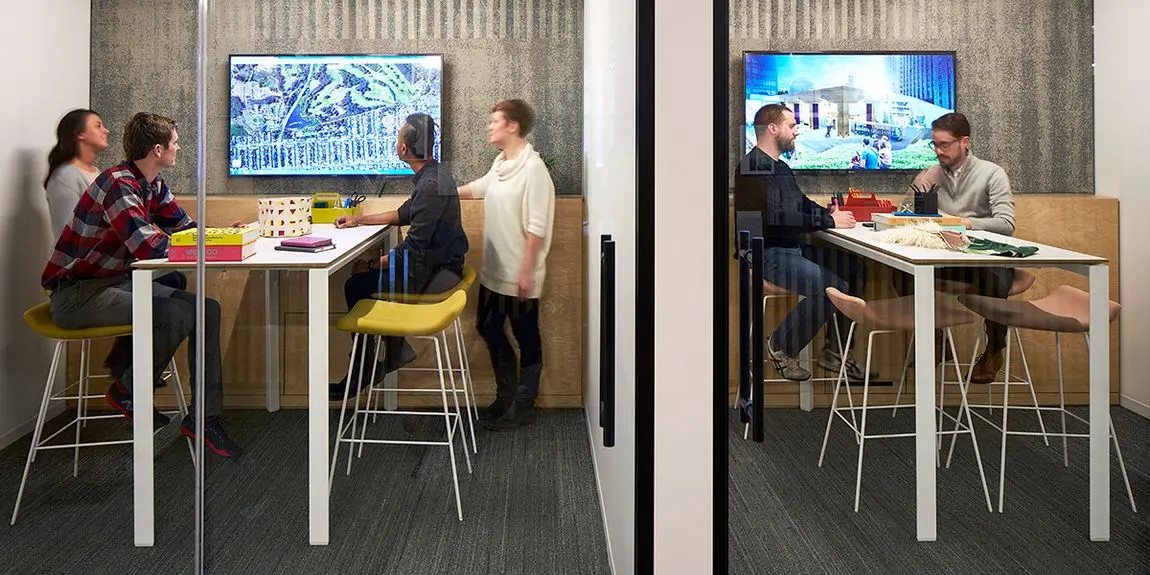
At its core, communication is about relationships. Teams that communicate effectively tend to trust one another more, collaborate more successfully, and navigate challenges more productively.
While technology enables communication, relationships are often built through shared experiences and human interaction. The workplace plays an important role in creating opportunities for those interactions to occur.
Whether through collaborative workspaces, social gathering areas, or informal meeting zones, thoughtfully designed environments help employees connect on a personal level. These connections strengthen trust and create a greater sense of belonging within the organization.
As employee engagement continues to be a priority for organizations, designing spaces that support relationship-building can have a lasting impact on workplace culture.
Designing for Better Communication
Strong communication is rarely the result of a single initiative. It emerges from a combination of leadership, culture, technology, and environment.
Organizations that recognize the influence of workplace design have an opportunity to create spaces that actively support collaboration and connection. By removing barriers, encouraging interaction, supporting diverse communication styles, and fostering meaningful relationships, office design can become a powerful tool for organizational success.
The most effective workplaces are not simply designed to look impressive. They are designed to help people work together more effectively.
As the future of work continues to evolve, one thing remains clear: when communication improves, teams perform better. Thoughtful office design helps make those conversations possible.
Want to learn more about office design? Check out these related posts:


.png&w=750&q=75)
