



The Difference Between Cubicles, Workstations, and Desks
.png&w=1920&q=75)
Choosing office furniture can be more complicated than it seems. Walk into an office furniture showroom or browse an office furniture website, and you’ll quickly encounter terms like cubicles, workstations, desks, benching, and modular office furniture. While these terms are sometimes used interchangeably, they actually describe different types of workspace solutions. Understanding the difference between cubicles, workstations, and desks can help you create an office that fits your employees, your available space, and the way your team works.
What Is a Cubicle?
.png)
A cubicle is an individual workspace that is partially enclosed by panels or partitions. These panels create a defined area for an employee while providing some separation from the surrounding office. Traditional cubicles became popular because they offered a practical alternative to both completely open offices and expensive private offices. Today, however, modern cubicles look very different from the stereotypical gray, high-walled cubicles many people remember.
Modern cubicles can incorporate glass panels, lower partitions, contemporary finishes, storage components, sit-stand surfaces, and integrated technology. This allows businesses to create individual work areas without making the office feel closed off. Businesses can also choose from a variety of configurations, allowing cubicles to be arranged according to the size and layout of a particular office.
One of the biggest advantages of cubicles is the sense of personal space they provide. Employees have a designated workstation that offers some visual separation from their coworkers, which can be helpful for employees who spend much of their day working independently or completing tasks that require concentration.
Cubicles can also help businesses make efficient use of floor space. Rather than giving every employee a private office, organizations can create individual work areas within a larger room. This makes cubicles a practical solution for businesses that want to balance privacy, productivity, and efficient use of available space.
What Is a Workstation?
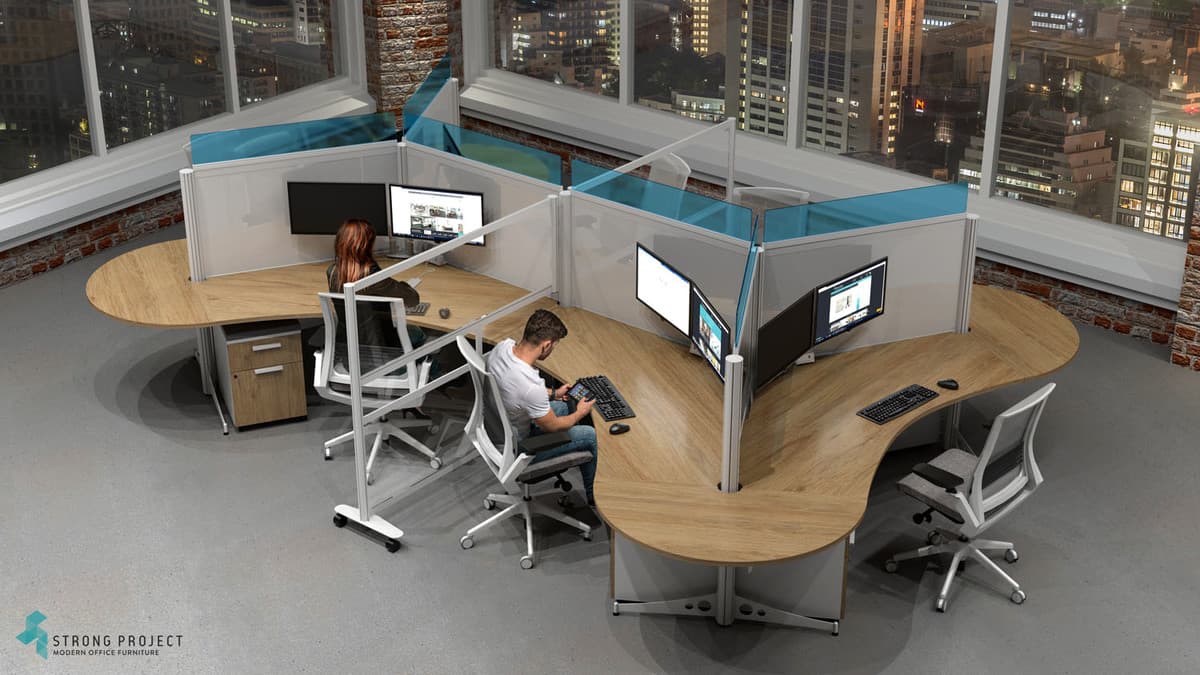
The term workstation is broader than cubicle. A workstation is essentially a dedicated area designed for an employee to complete their work. A workstation may include a desk or work surface, storage, panels, privacy screens, shelving, technology accessories, and other components. Some workstations are highly private, while others are completely open.
In other words, a cubicle can be a type of workstation, but not every workstation is a cubicle. The key difference is that a workstation doesn't necessarily need to have the partitions traditionally associated with a cubicle.
Modern workstations are often modular, meaning they can be configured and reconfigured based on the needs of an organization. This flexibility makes them particularly valuable for growing companies or businesses that expect their workplace needs to change over time. A company might begin with several workstations arranged together and then add additional workstations as the team grows.
Workstations can also be designed to accommodate different types of employees and tasks. Some may feature larger work surfaces for employees who need additional room, while others may include storage, technology integration, or privacy panels. Because of this flexibility, workstations can be used throughout many different types of modern office environments.
What Is a Desk?
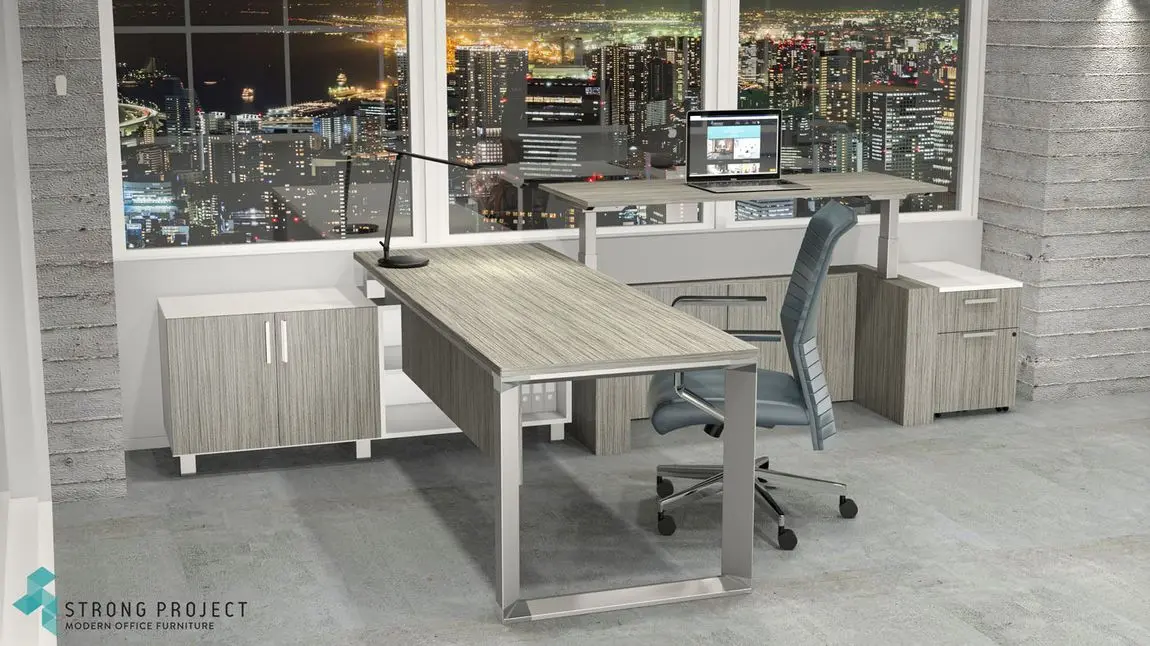
A desk is the simplest of the three options. At its most basic level, a desk is a work surface designed for an individual. Desks can range from simple writing desks and tables to executive desks, L-shaped desks, standing desks, and highly customizable modern office desks.
Unlike a cubicle or workstation, a desk does not necessarily include partitions or other components that define the surrounding workspace. A desk can be placed almost anywhere. It can sit in a private office, against a wall, in an open office, inside a workstation configuration, or even in a collaborative area.
The simplicity of a desk is one of its greatest advantages. Businesses can choose a desk based on an employee's role, the size of the space, and the type of work being performed. Desks can also help create an open and visually connected environment, making them a popular option for offices that prioritize flexibility and collaboration.
Modern desks can also incorporate ergonomic features and technology solutions. Sit-stand desks, for example, allow employees to alternate between sitting and standing throughout the workday. Other desks can include built-in power, cable management, storage, and other features designed to make the workspace more functional.
Cubicles vs. Workstations vs. Desks
So, how do these three options actually compare? The biggest difference comes down to how much of the workspace is defined and enclosed.
A desk is primarily a work surface. It provides a place for an employee to work but does not necessarily define the surrounding workspace. A workstation is a more complete work environment that may include a desk, storage, panels, and other components. A cubicle is a type of workstation that typically uses partitions or panels to create a more clearly defined individual area.
The lines between these categories can become less distinct when you're looking at modern office furniture. Modular furniture systems can combine desks, panels, storage, and other components in a variety of configurations. As a result, businesses have more opportunities to customize their workspaces than they did in the past.
Rather than thinking of cubicles, workstations, and desks as completely separate categories, it can be more helpful to think of them as different approaches to creating an individual workspace. The right solution depends on how much privacy, flexibility, storage, and collaboration your employees need.
Creating a Modern Office With the Right Furniture
.png)
Today's workplace doesn't have to fit into a single category. A modern office can incorporate cubicles, workstations, desks, conference tables, collaborative furniture, acoustic solutions, and private spaces all within the same environment.
For example, individual workstations can provide dedicated areas for focused work, while collaborative tables give teams places to gather and exchange ideas. Acoustic furniture can help create quieter areas within an open office, while modern reception furniture can create a welcoming first impression for visitors and clients.
This combination of different furniture types allows businesses to create workplaces that support different activities throughout the day. Employees may need a quiet area for focused work in the morning, a conference room for a meeting later in the day, and a collaborative space for brainstorming in the afternoon. A thoughtfully designed office can accommodate all of these needs.
Cubicles, workstations, and desks may sound like interchangeable terms, but they serve different purposes. Desks provide a simple and flexible work surface, while workstations create a more complete individual workspace that can incorporate storage, panels, and other components. Cubicles take the workstation concept a step further by using partitions or panels to create a more defined workspace and provide additional privacy.
The right choice ultimately depends on your space, employees, workplace culture, and business goals. And in many modern offices, the answer isn't choosing just one.
Combining different types of office furniture can help create a flexible workplace that supports focused work, collaboration, privacy, and productivity. When you design your office around the way your employees actually work, your furniture becomes more than something that fills a room. It becomes an important part of the workplace strategy.
Want to learn more about modern office design? Take a look at other posts from the StrongProject Blog:
.png&w=750&q=75)


